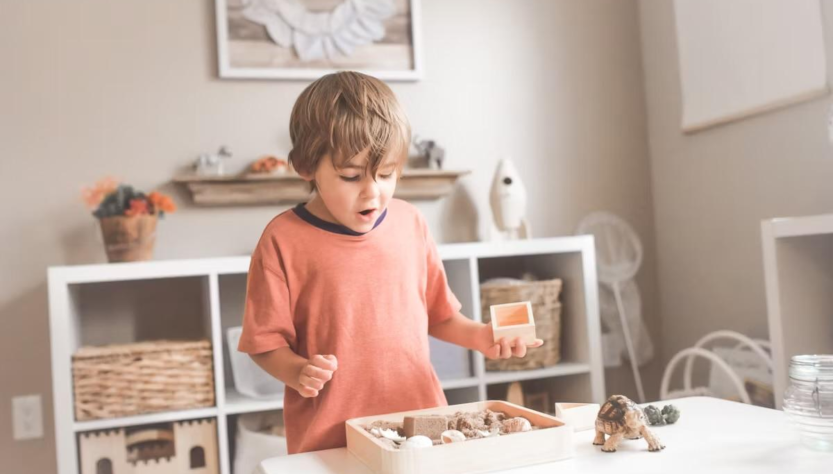
Deciding whether or not to send your 3-year-old to preschool is a common concern for many parents. While some may worry that it is too early, research and expert opinions suggest that early education can have tremendous benefits for young children.
Preschool offers an environment where children can develop critical social, emotional, and cognitive skills in a structured setting. Here are five compelling reasons why sending your child to preschool at the age of three can be a great decision.
1. Boosts Social and Emotional Development
One of the primary benefits of preschool is that it provides children with an opportunity to develop their social and emotional skills. In a preschool setting, children interact with their peers regularly, learning how to share, take turns, and express their emotions in a healthy way.
These social interactions help children develop empathy, build friendships, and understand how to function in a group setting. By attending preschool at the age of three, children are given a chance to practice these essential skills, which are crucial for their overall development.
2. Enhances Cognitive Development
Preschool is not just about playing; it also provides a foundation for cognitive development. At this early age, children’s brains are like sponges, and they are eager to absorb new information. A good preschool program offers activities that promote critical thinking, problem-solving, and early literacy and numeracy skills.
Through structured play and guided learning, children are introduced to basic concepts like numbers, letters, shapes, and colors. This early exposure sets the stage for future academic success by fostering a love for learning.
3. Montessori PreSchools Encourage Independence
Montessori schools are a popular choice for many parents because they focus on fostering independence and self-directed learning. The Montessori approach allows children to explore their environment at their own pace while being guided by teachers.
In montessori preschool, children are encouraged to make choices, solve problems, and learn through hands-on activities. This independence helps build self-confidence and decision-making skills in young children, which are essential traits that they will carry into their future academic and personal lives.
4. Prepares Them for Kindergarten
One of the main goals of preschool is to prepare children for kindergarten and the structured environment of formal schooling. By attending preschool at age three, children become familiar with routines, such as following instructions, listening to teachers, and completing tasks.
They also learn how to work both independently and in groups, which helps them adjust more easily to the expectations of kindergarten. Children who attend preschool are often better equipped to handle the transition to elementary school, making the experience less overwhelming for them.
5. Promotes Physical Development
Physical development is another important aspect of early childhood education that preschools address. Through activities such as outdoor play, art, and movement-based games, preschoolers develop their fine and gross motor skills.
These activities are designed to improve hand-eye coordination, balance, and agility, which are essential for their overall physical health and well-being. Engaging in these activities also helps children release energy and develop a healthy relationship with exercise from a young age.