
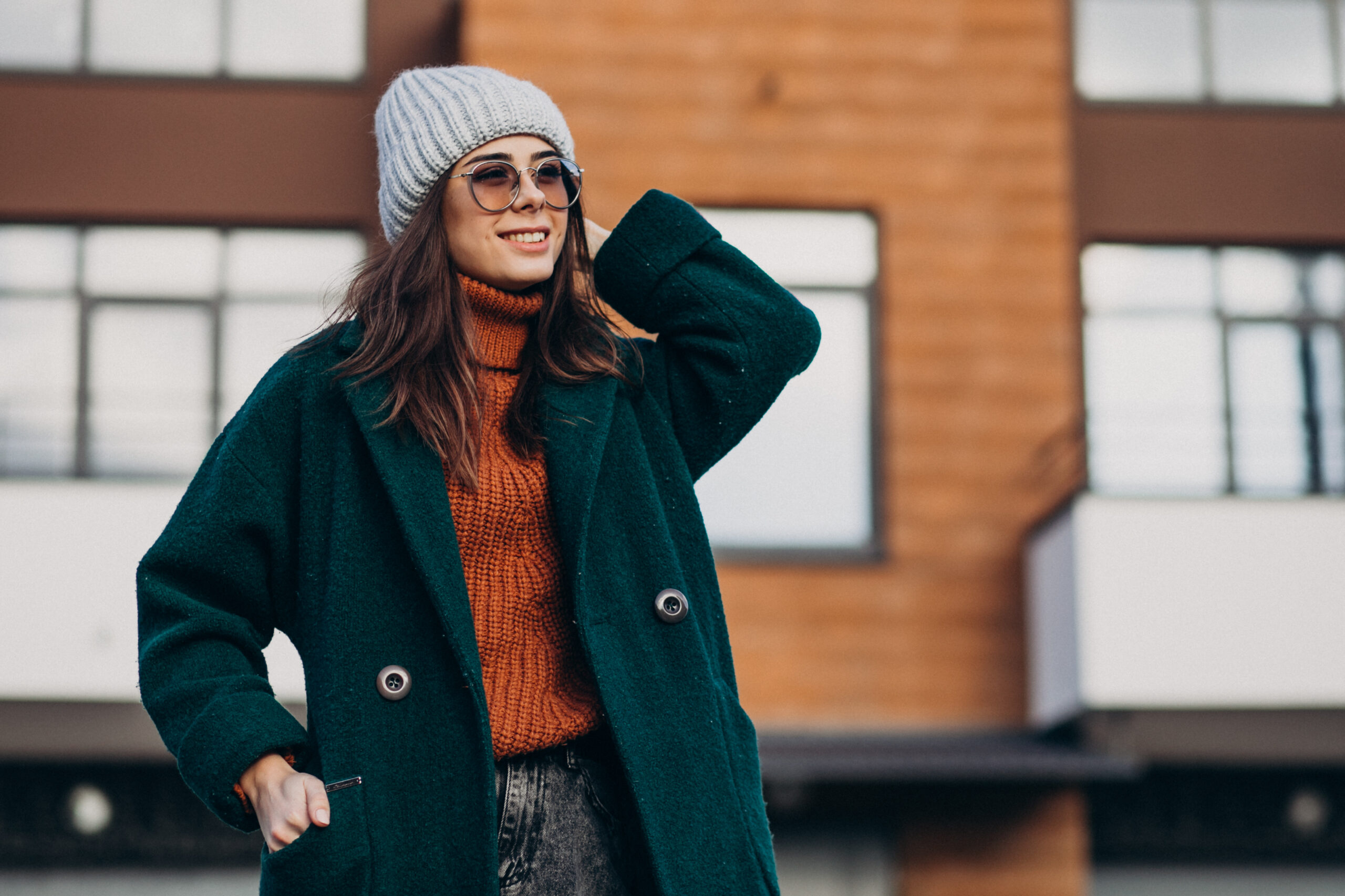
Building a versatile winter looks set can make getting dressed during the colder months much simpler. Coordinated winter clothing allows women to create complete outfits without spending too much time deciding which pieces work together. Sweaters, coats, trousers, jeans, skirts, dresses, boots, scarves, and accessories can be combined into practical sets suitable for everyday activities and special occasions. A well-planned collection does not have to follow every seasonal trend. Instead, it should focus on comfortable layers, complementary colors, useful textures, and pieces that can be mixed and matched throughout the winter. What Is a Winter Looks Set? A winter looks set can refer to a coordinated collection of clothing pieces designed to work together as complete cold-weather outfits. Instead of purchasing individual garments without considering the rest of the wardrobe, a coordinated approach makes it easier to create balanced combinations. For example, a sweater, tailored trousers, ankle boots, and long coat can form one complete look. Another set might include a knitted dress, tights, knee-high boots, and a structured coat. The advantage of creating sets is versatility. Individual pieces can often be exchanged between different combinations, giving you more outfit choices without requiring a large wardrobe. Building a Winter Color Palette A coordinated color palette is one of the easiest ways to make winter outfits look polished. Neutral shades such as black, gray, cream, beige, camel, navy, and brown provide an excellent foundation. Seasonal accent colors can then be added to introduce personality. Burgundy, forest green, rust, plum, deep blue, and rich red can create visual interest without making outfits difficult to coordinate. A simple approach is to choose two or three neutral base colors and a few accent shades. This allows coats, sweaters, trousers, and accessories to work together across multiple outfits. Cozy Sweater Sets Sweaters are essential components of winter outfit combinations. A chunky knit sweater paired with straight-leg jeans and ankle boots can create a relaxed everyday look. For a more polished set, try a fine-knit sweater with tailored trousers, loafers, or sleek boots and a structured coat. Turtleneck sweaters can be especially useful because they provide additional warmth while creating a refined appearance. Cardigans can also be included in coordinated sets. They can be layered over fitted tops, blouses, or dresses and removed when indoor temperatures become warmer. Coat and Outerwear Combinations Outerwear should be considered part of the complete outfit rather than simply a protective layer. A long tailored coat can make jeans and a sweater look more sophisticated, while a puffer jacket creates a more casual appearance. Belted coats can add definition to an outfit, while oversized coats offer a relaxed silhouette. Parkas and insulated jackets are useful for particularly cold outdoor conditions. Neutral outerwear is especially versatile because it can be worn with several different color combinations. A statement coat, however, can become the central piece of an otherwise simple outfit. Jeans-Based Winter Looks Jeans are among the easiest pieces to include in coordinated winter outfits. Straight-leg jeans can be worn with chunky sweaters and ankle boots, while slim jeans can balance oversized coats and knitwear. Wide-leg jeans can create a contemporary appearance when paired with a fitted sweater or shorter jacket. Dark denim generally creates a more polished look, while lighter washes can give casual outfits a relaxed character. Adding a scarf, structured handbag, and suitable coat can transform a basic jeans combination into a complete winter look. Trouser-Based Winter Sets Trousers provide an excellent foundation for both casual and professional winter outfits. Tailored trousers can be paired with fine-knit sweaters, blazers, and structured coats for a polished appearance. Wide-leg trousers work well with fitted tops and shorter outer layers. Neutral trousers in black, gray, beige, or navy can be combined with multiple sweaters and coats. For especially cold conditions, thermal leggings can be worn underneath trousers without significantly changing the appearance of the outfit. Winter Dress Sets Dresses can be incorporated into winter outfit sets with the right accessories and layers. A knitted midi dress paired with tights, knee-high boots, and a long coat creates a comfortable and sophisticated combination. Long-sleeve dresses can reduce the need for additional layers, while sleeveless dresses can be worn over fitted turtlenecks or lightweight tops. For evening occasions, a darker dress with elegant boots and a tailored coat can create a refined winter appearance. Skirt and Sweater Combinations Skirts provide another way to create coordinated winter looks. A midi skirt with a fitted sweater, opaque tights, and ankle boots can create a polished outfit suitable for many occasions. Pleated skirts can add movement and texture, while straight skirts can create a more structured appearance. Maxi skirts provide additional coverage and can work well with oversized sweaters. A long coat can tie the entire combination together while providing an extra layer of warmth. Winter Boots as a Foundation Boots often serve as the connecting element between different pieces in a winter wardrobe. Ankle boots are particularly versatile and can be worn with jeans, trousers, skirts, and dresses. Knee-high boots are useful for outfits involving skirts and dresses and provide additional warmth. Chelsea boots can create a practical everyday look, while heeled boots can add a dressier finish. When choosing winter footwear, consider weather resistance, traction, comfort, and the types of outfits you plan to wear. Casual Winter Looks Casual winter sets should prioritize comfort while remaining coordinated. A chunky sweater, relaxed jeans, ankle boots, and puffer jacket form an easy everyday combination. Another option is leggings with an oversized knit sweater, long coat, and comfortable boots. A scarf and beanie can complete the look while providing additional warmth. For weekends and errands, simple layers are often more practical than complicated outfits. Choosing complementary colors can make even basic clothing appear more intentional. Work-Ready Winter Looks A professional winter set can include tailored trousers, a fine-knit sweater, ankle boots, and a structured coat. This combination provides warmth without sacrificing a polished appearance. A midi dress with tights, boots, and a blazer can also create a suitable
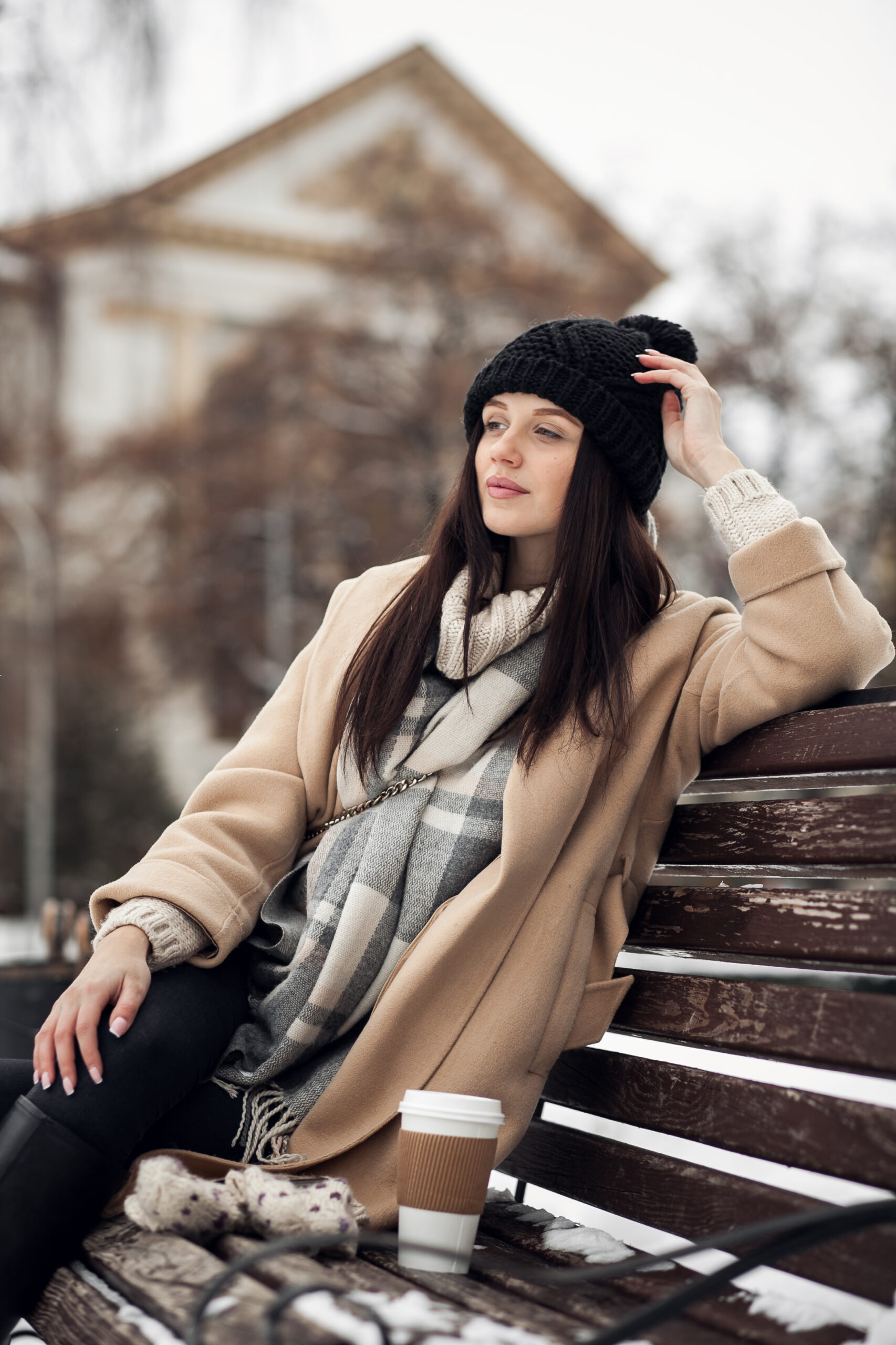
Female Winter Outfits: Stylish, Comfortable, and Practical Ideas
Choosing the right female winter outfits makes it easier to stay warm while maintaining a stylish and confident appearance. Cold-weather fashion offers plenty of opportunities to combine sweaters, coats, trousers, jeans, dresses, boots, scarves, and other seasonal pieces. The most effective winter wardrobe is not necessarily the largest one. Instead, it should include versatile clothing that can be layered and adapted for different temperatures and occasions. From relaxed everyday combinations to polished workwear and elegant evening looks, women can create a wide variety of outfits by focusing on comfort, proportion, texture, and coordination. Understanding Winter Fashion for Women Winter fashion is primarily about layering clothing in a way that provides warmth without creating unnecessary bulk. A lightweight base layer can be combined with knitwear and a coat, allowing the outfit to be adjusted throughout the day. Different garments also serve different purposes. A fitted sweater may work well beneath a structured coat, while an oversized knit can become the main feature of a casual outfit. The key is to consider how every layer fits with the others. Winter fashion also provides an opportunity to experiment with textures. Knits, wool-style fabrics, denim, suede-style materials, and leather-style accessories can create visual depth. Essential Winter Sweaters Sweaters are among the most useful pieces in any cold-weather wardrobe. A classic crewneck can be paired with jeans, trousers, or skirts, while a turtleneck offers additional warmth and creates a refined appearance. Chunky knit sweaters are ideal for casual days, especially when paired with straight-leg jeans and boots. Fine-knit sweaters are more versatile for layering beneath blazers and coats. Cardigans provide another useful option. They can be worn over basic tops or dresses and easily removed when moving into warmer indoor spaces. Neutral sweater colors such as cream, gray, black, beige, and brown can form the foundation of a versatile wardrobe, while burgundy, green, navy, and rust can add seasonal variety. Choosing the Right Winter Coat A winter coat is one of the most important purchases for the cold season. A well-chosen coat should provide adequate warmth while complementing the clothing worn underneath. Long tailored coats create a sophisticated appearance and can work with dresses, trousers, and jeans. Puffer jackets are more casual but offer excellent insulation for colder weather. Parkas can provide additional coverage for outdoor activities. Belted coats can create a defined waist, while oversized coats offer a relaxed contemporary appearance. Neutral outerwear tends to be easier to coordinate, but a deep seasonal shade can make a simple outfit more distinctive. Jeans and Winter Trousers Jeans remain a dependable choice for winter because they can be styled in countless ways. Straight-leg jeans provide a balanced silhouette, while relaxed styles can create a casual and comfortable appearance. Slim jeans can work well with oversized sweaters and longer coats. Wide-leg jeans can be paired with fitted knitwear or shorter jackets to maintain balance. Trousers provide a more polished alternative. Tailored styles work well for professional settings, while wide-leg trousers can create a fashionable casual look. Thermal leggings can also be layered underneath trousers during particularly cold conditions. Winter Dresses Dresses can easily become part of a winter wardrobe when paired with appropriate layers. Knitted midi dresses provide warmth and can be worn with boots and a long coat. Long-sleeve dresses are particularly practical because they require fewer additional layers. Maxi dresses provide even more coverage and can be combined with structured coats for an elegant appearance. For casual occasions, a sweater dress with flat boots can create a comfortable outfit. For a more formal setting, a fitted dress with heeled boots, tights, and a tailored coat can look sophisticated. Skirts for Cold Weather Skirts are another versatile option for winter. Midi and maxi skirts offer greater coverage and can be paired with sweaters, tights, and boots. A pleated midi skirt with a fitted sweater creates a polished appearance, while a denim skirt can produce a more casual look when paired with a chunky knit and ankle boots. Tights are especially useful for making skirts more practical during colder temperatures. Opaque tights can provide additional coverage while complementing the overall color palette. Winter Boots and Footwear Footwear has a major influence on winter style. Ankle boots are among the most versatile choices because they can be worn with jeans, trousers, skirts, and dresses. Knee-high boots work well with midi skirts and dresses and can provide additional warmth. Chelsea boots offer a practical everyday option, while heeled boots can create a more refined appearance. For wet, snowy, or icy conditions, choose footwear that provides adequate traction and weather protection. A stylish pair of boots should also be comfortable enough for the amount of walking required. Casual Winter Outfit Ideas Casual winter dressing can be both simple and fashionable. A chunky sweater with straight-leg jeans and ankle boots is an easy everyday combination. For a relaxed weekend, leggings can be worn with an oversized sweater, puffer jacket, and comfortable boots. A long cardigan can also be layered over a basic top and jeans. Accessories such as a knitted scarf, beanie, or crossbody bag can make casual outfits feel more complete without adding unnecessary complexity. Winter Office Outfits Cold-weather workwear can remain professional while incorporating comfortable seasonal pieces. Tailored trousers with a fine-knit sweater and structured coat create a polished combination. A midi dress with tights, boots, and a blazer can also work well in many office environments. Neutral shades make it easier to combine several garments throughout the week. For cold commutes, lightweight thermal tops can be worn underneath work clothing. This allows you to stay warm outdoors without making your professional outfit appear bulky. Date Night Winter Outfits Winter date nights provide an opportunity to create a more refined appearance. A fitted knit dress with knee-high boots and a long coat can be both elegant and comfortable. Dark jeans paired with a sophisticated sweater, ankle boots, and a structured coat provide a slightly more casual option. For a formal restaurant, tailored trousers with a blouse and elegant
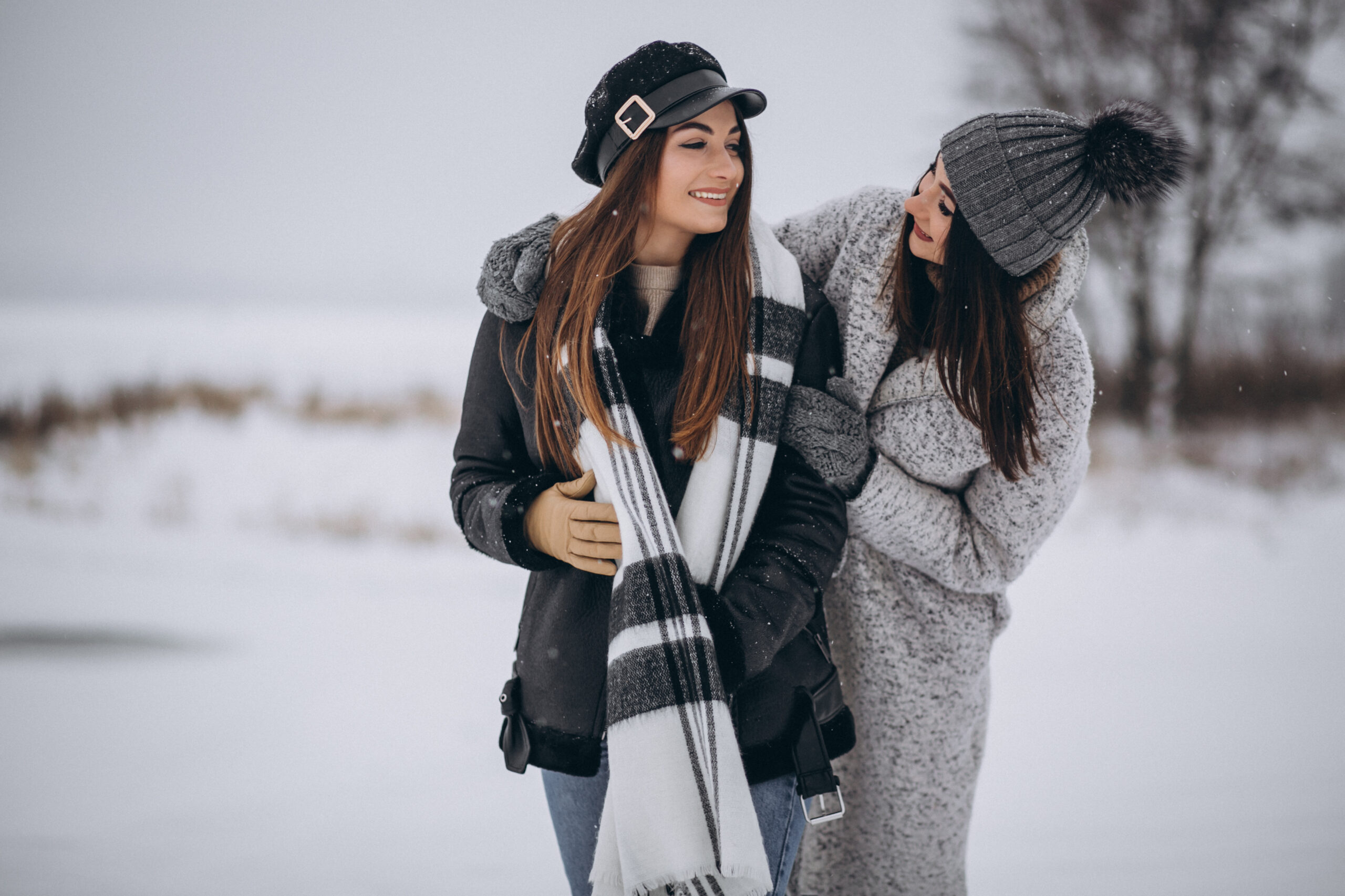
Outfit for Women Winter: Stylish and Comfortable Ideas for Cold Days
Choosing the right outfit for women winter can make cold-weather dressing much easier and more enjoyable. Winter clothing needs to provide warmth, but it can also be fashionable, comfortable, and versatile. From cozy sweaters and layered tops to stylish coats, boots, trousers, and winter accessories, there are many ways to create attractive combinations for everyday life. Whether you are dressing for work, a casual outing, travel, a dinner, or a weekend at home, a thoughtful winter wardrobe can help you stay comfortable while expressing your personal style. Understanding Winter Dressing for Women Winter dressing is mainly about combining practical layers with pieces that complement one another. Unlike warm-weather outfits, winter clothing often involves several garments, so fit, color, texture, and proportion become important. A good winter wardrobe usually begins with comfortable base layers. Sweaters, cardigans, jackets, and coats can then be added depending on the temperature and occasion. Accessories such as scarves, gloves, hats, and boots provide additional protection while completing the overall appearance. The most useful winter clothing is versatile enough to work with several different outfits. Cozy Sweaters for Everyday Wear Sweaters are one of the most important winter wardrobe staples. Chunky knit sweaters can create a relaxed and cozy appearance, while fine-knit sweaters are easier to layer underneath coats and jackets. Crewneck sweaters work well with jeans and trousers, while turtlenecks provide additional warmth around the neck. Cardigans offer flexibility because they can be worn over shirts, blouses, or fitted tops. Neutral colors such as cream, beige, gray, black, and brown make sweaters easy to combine with different bottoms. Richer shades such as burgundy, navy, forest green, or rust can add seasonal personality. Stylish Winter Coats A warm coat can serve as both a practical layer and a major part of an outfit. Long wool-style coats create a polished appearance and can be worn with trousers, jeans, skirts, and dresses. Puffer jackets are useful for colder conditions and provide insulation without requiring numerous heavy layers underneath. Parkas are another practical choice for outdoor activities because they can offer additional coverage. For a more structured appearance, belted coats can define the waist, while straight-cut coats create a relaxed and modern silhouette. Jeans and Trousers for Winter Jeans are an easy winter staple because they work with sweaters, coats, boots, and jackets. Straight-leg and relaxed-fit styles provide comfortable options for everyday wear, while slim jeans can balance oversized sweaters and longer coats. Trousers are useful when creating a more polished appearance. Tailored trousers can be paired with knitwear and boots for work, while wide-leg trousers can create a contemporary casual look. During particularly cold weather, lightweight thermal leggings can be worn underneath trousers or jeans for extra warmth without significantly changing the outfit. Winter Dresses for Women Dresses can still be an excellent choice during winter. Knitted midi dresses are particularly useful because they provide warmth while maintaining a feminine silhouette. Long-sleeve dresses can be paired with tights, boots, and a coat. Maxi dresses can also provide additional coverage and work well with long outerwear. For a more polished appearance, choose a structured coat and sleek boots. For casual occasions, a knitted dress with flat boots and a relaxed jacket can create a comfortable combination. Winter Skirts and Layered Looks Skirts can be adapted to cold weather with the right layers. Midi and maxi skirts work particularly well because they provide more coverage than shorter styles. A knitted sweater tucked partially into a midi skirt can create a balanced silhouette. Adding tights and boots provides warmth, while a long coat can complete the outfit. For a more casual appearance, a denim skirt can be paired with a sweater, tights, and ankle boots. The choice of fabric and length should reflect both the weather and occasion. Boots for Cold-Weather Style Boots are among the most practical footwear choices for winter. Ankle boots can be worn with jeans, trousers, skirts, and dresses, making them highly versatile. Knee-high boots work especially well with midi dresses and skirts. Chelsea boots can create a simple everyday appearance, while heeled boots can make an outfit look more polished. In areas with rain, snow, or icy conditions, footwear should provide adequate traction and weather protection. Comfort should always be considered alongside appearance. Layering Techniques for Winter Layering allows women to adjust their clothing throughout the day. A lightweight thermal top can serve as the foundation, followed by a shirt, sweater, cardigan, or jacket and finally a coat. Different textures and lengths can also make layered outfits more interesting. A longer shirt beneath a shorter sweater can create visual contrast, while a textured scarf can add another layer of dimension. Avoid adding too many thick layers at once. Several lightweight garments can often provide warmth while maintaining a more comfortable silhouette. Casual Winter Outfit Ideas Casual winter dressing can be stylish without becoming complicated. A chunky sweater with straight-leg jeans and ankle boots is an easy everyday combination. For a relaxed weekend, leggings can be paired with an oversized sweater, puffer jacket, and comfortable boots. A cardigan over a simple top can also create a comfortable layered outfit. Accessories can make casual outfits more distinctive. A patterned scarf, winter hat, or structured handbag can add personality without requiring major changes to the clothing. Winter Workwear Winter work outfits should combine professionalism with warmth. Tailored trousers and a fine-knit sweater can create a polished foundation, while a structured blazer or coat adds sophistication. A midi dress with tights, boots, and a long coat can also work well for many professional settings. Neutral colors such as navy, black, gray, cream, and beige make it easier to coordinate several work outfits. For colder commutes, lightweight base layers can provide additional warmth without making professional clothing appear bulky. Winter Date Night Outfits A date-night winter outfit can be stylish while remaining comfortable. A fitted knit dress with knee-high boots and a long coat offers a sophisticated option. Another combination is dark jeans, a refined sweater, ankle boots, and a tailored
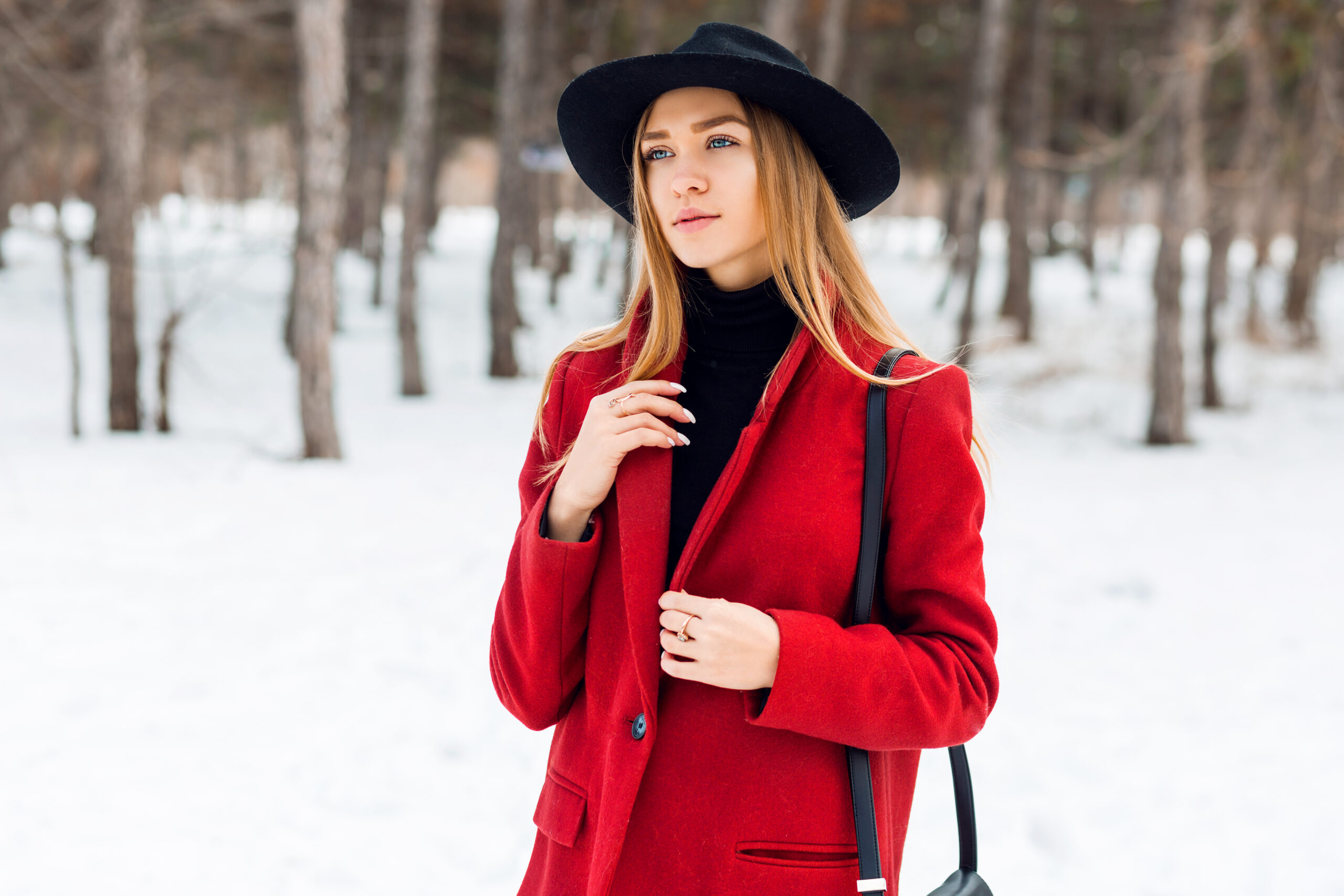
Winter Dress Up Outfits: Stylish Ideas for Cold-Weather Occasions
Choosing the right winter dress up outfits can help you look polished, confident, and comfortable when temperatures fall. Dressing up during winter requires more planning than simply adding a coat to an outfit because every layer contributes to the final appearance. Elegant dresses, tailored trousers, sophisticated knitwear, stylish boots, and statement outerwear can all work together to create an attractive cold-weather look. Whether the occasion is a dinner, office gathering, holiday celebration, date night, party, or formal event, winter fashion offers plenty of opportunities to combine warmth with personal style. Understanding Winter Dressy Fashion Winter dressing provides an opportunity to experiment with richer fabrics, deeper colors, and layered silhouettes. Materials such as velvet, wool, cashmere-style knits, suede, leather, and heavier satin can make an outfit feel more appropriate for colder weather. A dressy winter outfit should balance elegance with practicality. Looking stylish is important, but an outfit that leaves you uncomfortable in cold temperatures may not be suitable for the occasion. Layering therefore becomes an essential part of creating a successful winter ensemble. Elegant Winter Dresses Dresses remain one of the easiest ways to create a dressed-up appearance during winter. A long-sleeve midi dress offers coverage while maintaining a sophisticated silhouette. Knit dresses can provide warmth and work particularly well with boots and tailored coats. For evening events, darker colors such as black, navy, burgundy, chocolate brown, or deep green can create an elegant appearance. Dresses with subtle texture, interesting sleeves, or carefully placed details can add visual interest without requiring excessive accessories. A longer dress can also make winter dressing easier because it provides additional coverage. Pairing it with opaque tights, boots, and a warm coat creates a practical combination for colder weather. Dressy Winter Trousers Trousers are an excellent alternative to dresses for formal and semi-formal winter occasions. Tailored trousers can create a refined silhouette when paired with a fitted blouse, fine-knit sweater, or elegant jacket. Wide-leg trousers are particularly useful for creating a sophisticated appearance. They can be paired with a fitted top to create balance. High-waisted trousers can also be styled with tucked-in knitwear or structured blouses. For evening occasions, darker trousers with a statement top and elegant footwear can create a polished outfit without feeling overly formal. Statement Winter Coats Outerwear becomes a visible part of the outfit during winter, making the coat an important style choice. A tailored wool coat can immediately make a simple dress or trouser combination look more sophisticated. Long coats work well for formal occasions because their shape creates a clean, elegant line. Belted coats can add definition around the waist, while structured coats provide a more polished appearance. When choosing a dressy winter coat, consider its color and versatility. A neutral coat can be worn repeatedly with different outfits, while a richer seasonal shade can become the centerpiece of an otherwise simple look. Boots for Dressy Winter Outfits Footwear can determine whether an outfit feels casual or sophisticated. Ankle boots with a sleek shape can work with dresses, trousers, and skirts. Knee-high boots can create an elegant appearance when paired with midi dresses or skirts. Heeled boots can add height and refinement, while low-heeled options may be more practical for long events. The most suitable choice depends on the occasion, weather, and amount of walking involved. For outdoor winter events, footwear should also provide adequate protection from cold, moisture, or slippery surfaces. Fashion should not come at the expense of comfort and safety. Layering for Formal Occasions Layering does not have to make a formal outfit look bulky. Lightweight base layers can provide warmth underneath dresses, blouses, or sweaters without dramatically changing the silhouette. A fitted turtleneck beneath a sleeveless dress can create an interesting layered look. A cropped jacket over a midi dress can provide structure, while a long coat can add elegance when worn over nearly any formal outfit. The goal is to choose layers that complement rather than hide the main outfit. Similar or coordinated colors can create a more seamless appearance. Winter Outfits for Dinner Dates Dinner dates provide an opportunity to create an outfit that feels elegant but not excessively formal. A fitted knit dress paired with knee-high boots and a long coat can provide a sophisticated combination. Another option is tailored trousers with a satin-style blouse, fitted cardigan, and ankle boots. Adding a small handbag and subtle jewelry can complete the look. For casual restaurants, dark jeans can also work with a refined sweater, structured coat, and polished boots. The level of formality should reflect the setting while allowing you to remain comfortable throughout the evening. Winter Party Outfit Ideas Winter parties often allow more freedom with textures and accessories. Velvet-inspired fabrics, sequins, metallic details, and statement jewelry can add a festive quality to an outfit. A simple black dress can become party-ready with striking earrings, elegant boots, and a sophisticated coat. Alternatively, a metallic top paired with tailored trousers can create a modern evening appearance. When wearing a statement garment, keeping the rest of the outfit relatively simple can help maintain balance. Winter Office and Business Events Dressy winter office outfits should combine professionalism with seasonal comfort. Tailored trousers, a fine-knit sweater, and a structured blazer can create a reliable business look. A midi dress paired with tights, boots, and a tailored coat can also work well. Neutral colors tend to provide a professional foundation, while subtle patterns or seasonal shades can add personality. For business dinners or company events, slightly more refined fabrics and accessories can elevate an everyday work outfit without making it excessively formal. Holiday and Celebration Outfits Holiday celebrations often encourage richer colors and more decorative details. Burgundy, emerald, navy, gold, silver, and deep red can all create a festive appearance. A velvet dress with elegant boots can work for an evening celebration, while a sparkly top with wide-leg trousers can offer a modern alternative. For daytime gatherings, a knitted midi dress with a tailored coat provides a balance between comfort and sophistication. Accessories should complement the
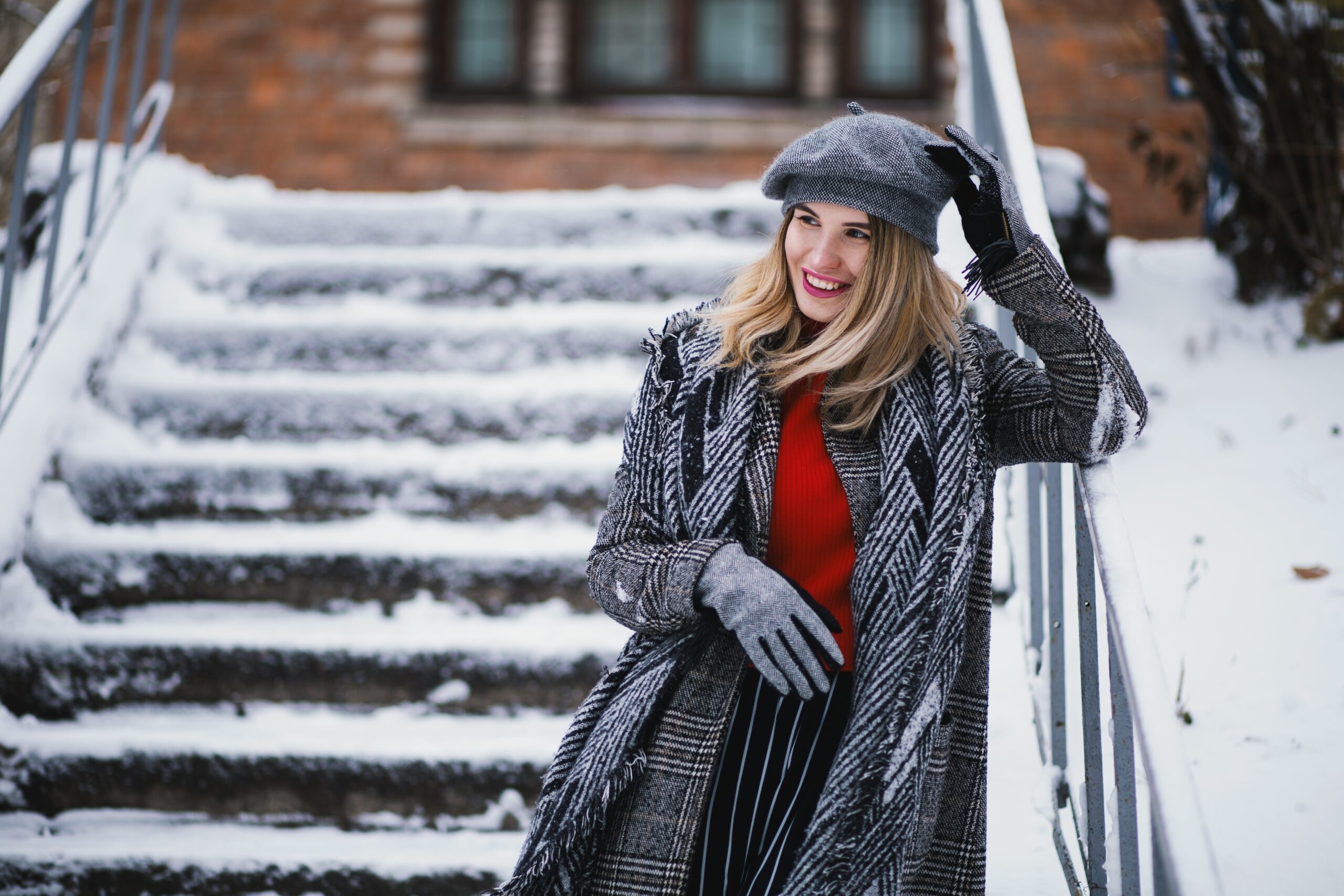
Winter Ladies Outfits: Stylish and Comfortable Ideas for the Cold Season
Finding the right winter ladies outfits can make cold-weather dressing both comfortable and fashionable. Winter clothing is not only about staying warm; it is also an opportunity to experiment with layers, textures, colors, accessories, and different silhouettes. From cozy sweaters and tailored coats to boots, scarves, and stylish trousers, there are countless ways to create attractive outfits for chilly days. The best winter wardrobe combines practical warmth with personal style, allowing women to dress confidently whether they are heading to work, meeting friends, traveling, or enjoying a relaxed weekend. Understanding Winter Fashion Winter fashion focuses on combining warmth with versatility. Unlike summer clothing, winter outfits often involve multiple layers, which means each individual piece can contribute to the overall appearance. A simple sweater can look completely different when paired with jeans, wide-leg trousers, a long coat, or a skirt. The key is to create balance. Bulky outerwear can be paired with streamlined bottoms, while fitted tops can work well beneath oversized jackets. Choosing complementary colors and textures also helps create a polished appearance without requiring a large wardrobe. Cozy Sweaters for Everyday Style Sweaters are among the most useful pieces in a winter wardrobe. Chunky knits provide warmth and create a relaxed appearance, while lightweight knitwear works well for layering under coats and jackets. Crewneck sweaters are easy to style with jeans or trousers, while turtlenecks provide additional warmth around the neck. Cardigans offer another flexible option because they can be worn open over shirts, blouses, or fitted tops. Neutral shades such as cream, gray, brown, black, and beige are particularly versatile. Women who prefer more noticeable outfits can introduce burgundy, forest green, navy, rust, or other seasonal shades. Stylish Winter Coats A coat can become the main visual element of a winter outfit. Long wool coats create a sophisticated appearance and work particularly well with trousers, boots, and knitwear. Puffer coats offer excellent insulation and are ideal for particularly cold conditions. Trench-style coats can provide a structured look, while belted coats can emphasize the waist and create a more defined silhouette. For casual outfits, quilted jackets and insulated parkas are practical choices. When selecting a winter coat, consider both style and function. The right length, material, insulation, and fit can determine whether a coat remains useful throughout the season. Jeans and Trousers for Cold Weather Jeans are a dependable winter staple because they can be combined with almost any sweater, coat, or footwear. Straight-leg and relaxed-fit jeans provide comfortable everyday options, while slim jeans can balance oversized sweaters and long coats. Trousers can create a more polished appearance. Wide-leg trousers paired with fitted knitwear can create an elegant silhouette, while tailored trousers work well for professional settings. For especially cold weather, layering thermal leggings or tights underneath trousers can provide additional warmth without dramatically changing the appearance of the outfit. Winter Dresses and Skirts Dresses are not limited to warmer seasons. A knitted midi dress paired with boots and a long coat can create a sophisticated winter look. Thicker fabrics such as wool blends and heavier knits provide additional warmth. Skirts can also be adapted for cold weather. Midi and maxi skirts work particularly well with boots, sweaters, tights, and coats. Thermal or opaque tights can make shorter skirts more practical when temperatures drop. A simple dress can also be transformed with accessories. Adding a belt, scarf, structured coat, or statement boots can create an entirely different appearance. Boots That Complete the Outfit Footwear plays an important role in winter dressing. Ankle boots are versatile and can be worn with jeans, trousers, skirts, and dresses. Knee-high boots provide additional warmth and look particularly stylish with skirts and dresses. Chelsea boots offer a practical everyday option, while lace-up boots can give casual outfits a stronger appearance. In areas that experience snow, rain, or icy conditions, weather-resistant footwear with suitable traction should take priority. The color of the boots can also influence the overall outfit. Black boots are highly versatile, while brown, tan, or burgundy options can introduce warmth and contrast. Layering for Warmth and Style Layering is one of the most effective ways to dress during winter. Instead of relying on one extremely heavy garment, several lighter layers can provide flexibility throughout the day. A basic combination might include a fitted thermal top, a sweater, a coat, and a scarf. Indoor environments can become warm, so having removable layers makes it easier to adjust to changing temperatures. Layering also creates visual interest. Different fabrics, lengths, and textures can make a simple outfit look more sophisticated. For example, a long shirt beneath a shorter sweater can create a layered hem, while a textured scarf can add dimension to a plain coat. Accessories for Winter Outfits Accessories are both decorative and practical during winter. Scarves, gloves, hats, and earmuffs can provide additional protection while contributing to the overall appearance. A large knitted scarf can make a simple coat look cozier, while a structured handbag can add sophistication. Beanies work well with casual outfits, whereas wool hats can create a more refined appearance. Belts are another useful accessory. Adding a belt over a loose coat or oversized cardigan can define the waist and create a more structured silhouette. Casual Winter Outfit Ideas Casual winter dressing should prioritize comfort without appearing overly basic. A sweater, straight-leg jeans, ankle boots, and a long coat create an easy everyday combination. For a more relaxed appearance, an oversized hoodie can be paired with leggings, a puffer jacket, and comfortable boots. A knitted sweater with wide-leg trousers can also provide a modern balance between comfort and style. Simple outfits can become more distinctive through accessories. A patterned scarf, textured handbag, or interesting pair of boots can add personality without making the outfit complicated. Office-Ready Winter Looks Winter workwear can remain professional while incorporating seasonal fabrics and layers. Tailored trousers with a fine-knit sweater and structured coat create a polished combination. A knitted midi dress with boots and a tailored outer layer can also work well in many

VOO Calculator: Calculate Your Investment Growth, Returns, and Dividends
If you are investing in the Vanguard S&P 500 ETF (VOO) and want to estimate how your money could grow over time, a VOO calculator can be a useful planning tool. Instead of manually calculating investment growth, you can use a VOO investment calculator to estimate potential returns based on your initial investment, regular contributions, investment period, and an assumed annual return. Whether you are a beginner investor planning your first $1,000 investment or an experienced investor making monthly contributions, a VOO calculator can help you understand how compound growth may affect your portfolio over the long term. This guide explains what a VOO calculator is, how to use one, how VOO investment returns are calculated, and how to estimate your potential portfolio value. Important: A calculator provides estimates, not guaranteed investment results. Actual VOO returns can vary significantly from year to year, and past performance does not guarantee future results. What Is a VOO Calculator? A VOO calculator is an online investment calculator designed to estimate how an investment in VOO could grow over a specific period. VOO is an exchange-traded fund designed to track the S&P 500 Index. When you invest in VOO, you gain exposure to a broad group of large U.S. companies represented in the S&P 500. A typical VOO calculator may allow you to enter: The calculator then estimates the potential future value of your investment. For example, suppose you start with $10,000 and add $500 every month. If you assume a particular average annual return and continue investing for 20 years, a VOO investment calculator can estimate the value of the portfolio at the end of that period. The result is only an illustration because the actual market does not produce the same return every year. Why Use a VOO Investment Calculator? Investing for decades can make it difficult to understand how relatively small contributions may accumulate over time. A VOO calculator makes this easier by showing the potential effect of: The biggest advantage is that you can experiment with different scenarios. For example, you could compare: This can help you understand the mathematical impact of long-term investing. How Does a VOO Calculator Work? Most investment calculators use a future-value formula based on compound growth. If you make a one-time investment and assume a constant annual return, a simplified formula is: Future Value = Initial Investment × (1 + r)ⁿ Where: For example, if you invest $10,000 and assume a hypothetical 8% annual return for 20 years: Future Value = $10,000 × (1.08)²⁰ The result represents the theoretical value if the investment earned exactly 8% every year and there were no taxes, fees, withdrawals, or other adjustments. Real-world investment returns are not constant. Therefore, the calculator should be viewed as a planning estimate rather than a prediction. VOO Calculator With Monthly Contributions Many investors do not make a single investment. Instead, they invest a fixed amount every month. This is where a VOO investment calculator with monthly contributions can become particularly useful. For example, imagine an investor: The calculator can estimate both the amount contributed and the potential investment growth. Your total contributions would be: Initial investment + monthly contributions × number of months The difference between total contributions and estimated portfolio value represents the hypothetical investment growth. This distinction is important because a portfolio’s final value does not consist entirely of money you personally contributed. VOO Compound Interest Calculator A VOO compound interest calculator focuses on the effect of earning returns on previously accumulated returns. Compound growth can become increasingly important as the investment period becomes longer. Consider a simplified example. Suppose you invest $10,000 and earn a hypothetical 8% annual return. After one year, the investment could become approximately $10,800. If the following year also produced 8%, the return would be calculated on $10,800 rather than the original $10,000. Over multiple decades, this compounding effect can become substantial. However, stock-market returns do not actually compound at a fixed rate every year. The value of VOO can rise and fall, and actual returns can differ considerably from any calculator assumption. VOO Return Calculator A VOO return calculator can be used to estimate investment performance over a selected period. There are two important concepts to understand: Total Return Total return generally considers both: For a dividend-paying ETF such as VOO, looking only at the change in share price may not provide a complete picture of an investor’s total return. Price Return Price return focuses on the change in the market price of the investment and does not include dividends. When comparing long-term investment performance, investors often pay attention to total return because dividends can contribute to overall investment results. VOO Dividend Calculator VOO also distributes dividends, so some investors search specifically for a VOO dividend calculator. A dividend calculator can estimate potential dividend income based on: A simplified dividend calculation is: Estimated Dividend Income = Number of Shares × Dividend Per Share For example, if you owned 100 shares and the dividend were hypothetically $1 per share for a particular distribution: 100 × $1 = $100 Actual distributions can change, so historical dividend amounts should not automatically be treated as future payments. Dividend Reinvestment One important feature to consider is dividend reinvestment. Instead of receiving dividends as cash, an investor may use them to purchase additional shares or fractional shares, depending on the brokerage. Those additional shares can potentially generate future dividends, creating another source of compounding. A VOO calculator that includes dividend reinvestment can therefore produce a different estimate from one that assumes dividends are taken as cash. VOO Growth Calculator A VOO growth calculator can help investors visualize potential portfolio growth over different periods. For example, you might enter: Input Example Initial investment $10,000 Monthly contribution $500 Investment period 20 years Hypothetical annual return 8% Dividend reinvestment Yes The calculator can then estimate the potential future portfolio value. You can change any of these inputs to create different scenarios. For example, increasing the monthly contribution from $500 to $750 may have