
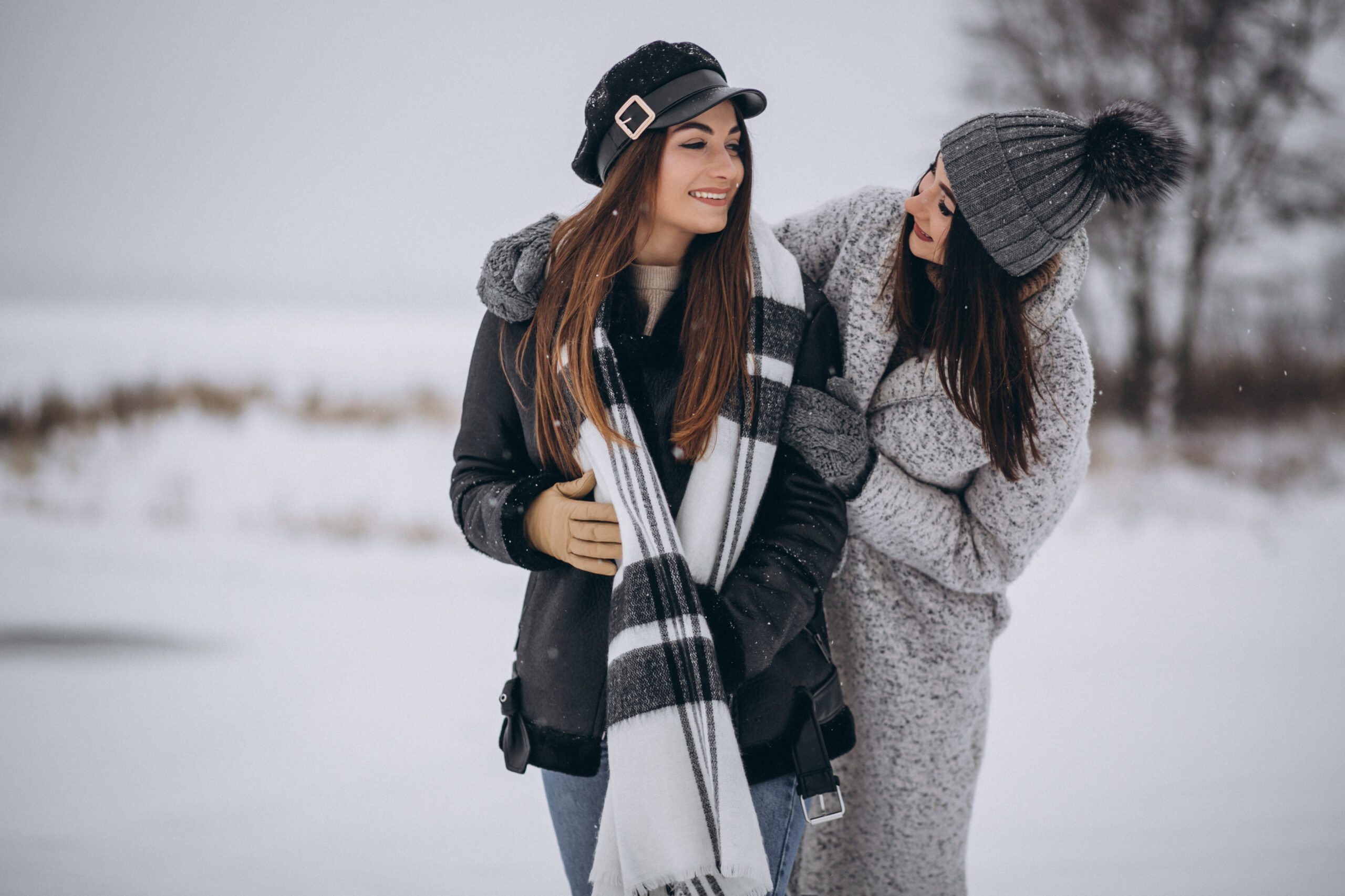
Choosing the right outfit for women winter can make cold-weather dressing much easier and more enjoyable. Winter clothing needs to provide warmth, but it can also be fashionable, comfortable, and versatile. From cozy sweaters and layered tops to stylish coats, boots, trousers, and winter accessories, there are many ways to create attractive combinations for everyday life. Whether you are dressing for work, a casual outing, travel, a dinner, or a weekend at home, a thoughtful winter wardrobe can help you stay comfortable while expressing your personal style.
Understanding Winter Dressing for Women
Winter dressing is mainly about combining practical layers with pieces that complement one another. Unlike warm-weather outfits, winter clothing often involves several garments, so fit, color, texture, and proportion become important.
A good winter wardrobe usually begins with comfortable base layers. Sweaters, cardigans, jackets, and coats can then be added depending on the temperature and occasion. Accessories such as scarves, gloves, hats, and boots provide additional protection while completing the overall appearance.
The most useful winter clothing is versatile enough to work with several different outfits.
Cozy Sweaters for Everyday Wear
Sweaters are one of the most important winter wardrobe staples. Chunky knit sweaters can create a relaxed and cozy appearance, while fine-knit sweaters are easier to layer underneath coats and jackets.
Crewneck sweaters work well with jeans and trousers, while turtlenecks provide additional warmth around the neck. Cardigans offer flexibility because they can be worn over shirts, blouses, or fitted tops.
Neutral colors such as cream, beige, gray, black, and brown make sweaters easy to combine with different bottoms. Richer shades such as burgundy, navy, forest green, or rust can add seasonal personality.
Stylish Winter Coats
A warm coat can serve as both a practical layer and a major part of an outfit. Long wool-style coats create a polished appearance and can be worn with trousers, jeans, skirts, and dresses.
Puffer jackets are useful for colder conditions and provide insulation without requiring numerous heavy layers underneath. Parkas are another practical choice for outdoor activities because they can offer additional coverage.
For a more structured appearance, belted coats can define the waist, while straight-cut coats create a relaxed and modern silhouette.
Jeans and Trousers for Winter
Jeans are an easy winter staple because they work with sweaters, coats, boots, and jackets. Straight-leg and relaxed-fit styles provide comfortable options for everyday wear, while slim jeans can balance oversized sweaters and longer coats.
Trousers are useful when creating a more polished appearance. Tailored trousers can be paired with knitwear and boots for work, while wide-leg trousers can create a contemporary casual look.
During particularly cold weather, lightweight thermal leggings can be worn underneath trousers or jeans for extra warmth without significantly changing the outfit.
Winter Dresses for Women
Dresses can still be an excellent choice during winter. Knitted midi dresses are particularly useful because they provide warmth while maintaining a feminine silhouette.
Long-sleeve dresses can be paired with tights, boots, and a coat. Maxi dresses can also provide additional coverage and work well with long outerwear.
For a more polished appearance, choose a structured coat and sleek boots. For casual occasions, a knitted dress with flat boots and a relaxed jacket can create a comfortable combination.
Winter Skirts and Layered Looks
Skirts can be adapted to cold weather with the right layers. Midi and maxi skirts work particularly well because they provide more coverage than shorter styles.
A knitted sweater tucked partially into a midi skirt can create a balanced silhouette. Adding tights and boots provides warmth, while a long coat can complete the outfit.
For a more casual appearance, a denim skirt can be paired with a sweater, tights, and ankle boots. The choice of fabric and length should reflect both the weather and occasion.
Boots for Cold-Weather Style
Boots are among the most practical footwear choices for winter. Ankle boots can be worn with jeans, trousers, skirts, and dresses, making them highly versatile.
Knee-high boots work especially well with midi dresses and skirts. Chelsea boots can create a simple everyday appearance, while heeled boots can make an outfit look more polished.
In areas with rain, snow, or icy conditions, footwear should provide adequate traction and weather protection. Comfort should always be considered alongside appearance.
Layering Techniques for Winter
Layering allows women to adjust their clothing throughout the day. A lightweight thermal top can serve as the foundation, followed by a shirt, sweater, cardigan, or jacket and finally a coat.
Different textures and lengths can also make layered outfits more interesting. A longer shirt beneath a shorter sweater can create visual contrast, while a textured scarf can add another layer of dimension.
Avoid adding too many thick layers at once. Several lightweight garments can often provide warmth while maintaining a more comfortable silhouette.
Casual Winter Outfit Ideas
Casual winter dressing can be stylish without becoming complicated. A chunky sweater with straight-leg jeans and ankle boots is an easy everyday combination.
For a relaxed weekend, leggings can be paired with an oversized sweater, puffer jacket, and comfortable boots. A cardigan over a simple top can also create a comfortable layered outfit.
Accessories can make casual outfits more distinctive. A patterned scarf, winter hat, or structured handbag can add personality without requiring major changes to the clothing.
Winter Workwear
Winter work outfits should combine professionalism with warmth. Tailored trousers and a fine-knit sweater can create a polished foundation, while a structured blazer or coat adds sophistication.
A midi dress with tights, boots, and a long coat can also work well for many professional settings. Neutral colors such as navy, black, gray, cream, and beige make it easier to coordinate several work outfits.
For colder commutes, lightweight base layers can provide additional warmth without making professional clothing appear bulky.
Winter Date Night Outfits
A date-night winter outfit can be stylish while remaining comfortable. A fitted knit dress with knee-high boots and a long coat offers a sophisticated option.
Another combination is dark jeans, a refined sweater, ankle boots, and a tailored coat. For a more formal dinner, tailored trousers with an elegant blouse and structured outerwear can create a polished appearance.
Accessories such as earrings, a small handbag, or a scarf can complete the outfit without making it feel overly complicated.
Winter Travel Outfits
Travel clothing needs to provide comfort for long periods while remaining practical. Soft trousers, layered tops, a warm sweater, and a lightweight coat can work well for travel.
Comfortable boots or walking shoes are particularly important when traveling because they may be worn for extended periods. A large scarf can also serve as an additional warm layer during flights or long journeys.
Neutral colors are useful for travel because different pieces can be mixed and matched, reducing the number of garments required.
Winter Party and Occasion Wear
Special occasions during winter provide an opportunity to experiment with textures, colors, and accessories. Velvet-style dresses, elegant knitwear, tailored trousers, and statement coats can all create attractive looks.
For holiday gatherings, richer shades such as burgundy, emerald, navy, and deep red can create a seasonal appearance. Metallic accessories can add a festive touch without changing the entire outfit.
The event’s dress code should always guide the final choice. A casual gathering and a formal celebration may require very different levels of dressing.
Choosing the Right Winter Accessories
Accessories are both functional and fashionable during winter. Scarves can provide warmth while adding color or texture to an otherwise simple outfit.
Beanies and knitted hats are practical for casual looks, while structured winter hats can create a more sophisticated appearance. Gloves protect the hands and can also complement the color of a coat or boots.
Handbags, belts, and jewelry can add finishing details. A belt can define the waist of an oversized coat, while a structured handbag can make a casual outfit look more polished.
Winter Colors and Textures
Winter fashion does not have to be limited to dark colors. Cream, beige, gray, navy, black, brown, burgundy, forest green, and rust can all work beautifully during the colder months.
Texture is equally important. Combining chunky knits with smooth trousers, wool-style coats with leather-style boots, or soft scarves with structured jackets can create visual interest.
Using a few neutral base colors and adding seasonal accent shades can make a wardrobe easier to coordinate.
Building a Versatile Winter Wardrobe
A versatile winter wardrobe can be created with a relatively small number of carefully selected pieces. A warm coat, several sweaters, comfortable jeans, tailored trousers, boots, layering tops, and winter accessories can provide a strong foundation.
Choose pieces that can be combined in multiple ways. A neutral sweater that works with jeans, trousers, and skirts is generally more versatile than a garment that matches only one outfit.
Before purchasing a new item, consider how many existing pieces can be worn with it. This approach can help create a more practical and coordinated wardrobe.
Key Points to Remember
Winter clothing should balance warmth, comfort, and personal style. Sweaters, coats, jeans, trousers, dresses, skirts, and boots can provide the foundation for many different outfits.
Layering is one of the most useful winter styling techniques because it allows clothing to be adjusted according to temperature. Accessories can add both practical warmth and visual interest.
Color coordination and fabric texture can also make simple outfits appear more polished. Most importantly, winter clothing should be comfortable enough for the activities and weather conditions you expect.
Tips for Creating Better Winter Outfits
Begin with the occasion and weather before choosing clothing. For everyday activities, prioritize comfortable and versatile pieces. For work or special occasions, incorporate more structured garments and polished accessories.
Use layering to avoid relying on one extremely heavy garment. Lightweight base layers can provide warmth while keeping the overall silhouette comfortable.
Balance oversized clothing with more fitted pieces when possible. An oversized sweater can work well with straight-leg trousers, while wide-leg pants may look balanced with a fitted top.
Finally, pay attention to footwear and outerwear. These pieces are highly visible during winter and can influence the appearance and practicality of the entire outfit.
Final Thoughts
Creating stylish winter outfits for women becomes easier when the wardrobe includes versatile layers that can be combined for different occasions. Sweaters, coats, trousers, jeans, dresses, skirts, boots, scarves, and other accessories can provide countless combinations while keeping cold-weather dressing practical. The best winter style does not require following every trend. Instead, focus on comfortable fits, useful layers, coordinated colors, suitable fabrics, and clothing that reflects your personal preferences. With a thoughtful selection of winter essentials, dressing for cold days can be both effortless and fashionable.
Frequently Asked Questions
1. What are the essential winter clothes for women?
Essential pieces include warm sweaters, a reliable coat, jeans or trousers, layering tops, boots, scarves, and suitable winter accessories. These items can be combined for casual, professional, and dressier occasions.
2. How can women look stylish while staying warm?
Layering is one of the best approaches. Lightweight base layers, sweaters, stylish coats, boots, and accessories can provide warmth without making the outfit excessively bulky.
3. Can women wear dresses during winter?
Yes. Long-sleeve and knitted dresses can work well with tights, boots, coats, and other warm layers. Midi and maxi dresses are especially suitable for colder conditions.
4. Which boots are best for winter outfits?
Ankle boots, Chelsea boots, knee-high boots, and insulated winter boots can all be useful. The best choice depends on the weather, activity, and desired level of formality.
5. What colors are popular for women’s winter clothing?
Black, gray, cream, beige, navy, brown, burgundy, forest green, and rust are versatile choices. Combining neutral colors with one or two seasonal shades can create coordinated outfits.