
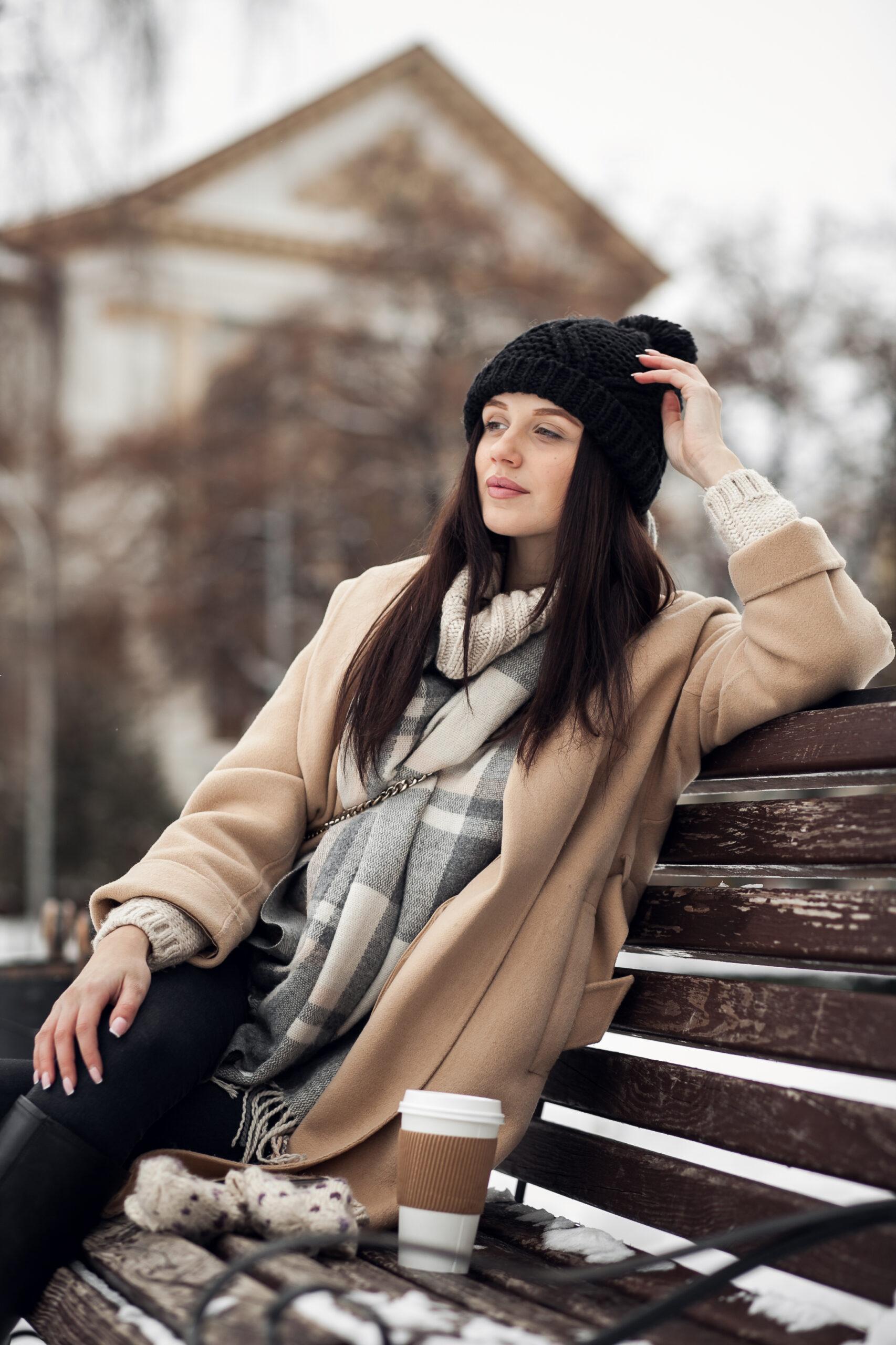
Choosing the right female winter outfits makes it easier to stay warm while maintaining a stylish and confident appearance. Cold-weather fashion offers plenty of opportunities to combine sweaters, coats, trousers, jeans, dresses, boots, scarves, and other seasonal pieces. The most effective winter wardrobe is not necessarily the largest one. Instead, it should include versatile clothing that can be layered and adapted for different temperatures and occasions. From relaxed everyday combinations to polished workwear and elegant evening looks, women can create a wide variety of outfits by focusing on comfort, proportion, texture, and coordination.
Understanding Winter Fashion for Women
Winter fashion is primarily about layering clothing in a way that provides warmth without creating unnecessary bulk. A lightweight base layer can be combined with knitwear and a coat, allowing the outfit to be adjusted throughout the day.
Different garments also serve different purposes. A fitted sweater may work well beneath a structured coat, while an oversized knit can become the main feature of a casual outfit. The key is to consider how every layer fits with the others.
Winter fashion also provides an opportunity to experiment with textures. Knits, wool-style fabrics, denim, suede-style materials, and leather-style accessories can create visual depth.
Essential Winter Sweaters
Sweaters are among the most useful pieces in any cold-weather wardrobe. A classic crewneck can be paired with jeans, trousers, or skirts, while a turtleneck offers additional warmth and creates a refined appearance.
Chunky knit sweaters are ideal for casual days, especially when paired with straight-leg jeans and boots. Fine-knit sweaters are more versatile for layering beneath blazers and coats.
Cardigans provide another useful option. They can be worn over basic tops or dresses and easily removed when moving into warmer indoor spaces.
Neutral sweater colors such as cream, gray, black, beige, and brown can form the foundation of a versatile wardrobe, while burgundy, green, navy, and rust can add seasonal variety.
Choosing the Right Winter Coat
A winter coat is one of the most important purchases for the cold season. A well-chosen coat should provide adequate warmth while complementing the clothing worn underneath.
Long tailored coats create a sophisticated appearance and can work with dresses, trousers, and jeans. Puffer jackets are more casual but offer excellent insulation for colder weather. Parkas can provide additional coverage for outdoor activities.
Belted coats can create a defined waist, while oversized coats offer a relaxed contemporary appearance. Neutral outerwear tends to be easier to coordinate, but a deep seasonal shade can make a simple outfit more distinctive.
Jeans and Winter Trousers
Jeans remain a dependable choice for winter because they can be styled in countless ways. Straight-leg jeans provide a balanced silhouette, while relaxed styles can create a casual and comfortable appearance.
Slim jeans can work well with oversized sweaters and longer coats. Wide-leg jeans can be paired with fitted knitwear or shorter jackets to maintain balance.
Trousers provide a more polished alternative. Tailored styles work well for professional settings, while wide-leg trousers can create a fashionable casual look. Thermal leggings can also be layered underneath trousers during particularly cold conditions.
Winter Dresses
Dresses can easily become part of a winter wardrobe when paired with appropriate layers. Knitted midi dresses provide warmth and can be worn with boots and a long coat.
Long-sleeve dresses are particularly practical because they require fewer additional layers. Maxi dresses provide even more coverage and can be combined with structured coats for an elegant appearance.
For casual occasions, a sweater dress with flat boots can create a comfortable outfit. For a more formal setting, a fitted dress with heeled boots, tights, and a tailored coat can look sophisticated.
Skirts for Cold Weather
Skirts are another versatile option for winter. Midi and maxi skirts offer greater coverage and can be paired with sweaters, tights, and boots.
A pleated midi skirt with a fitted sweater creates a polished appearance, while a denim skirt can produce a more casual look when paired with a chunky knit and ankle boots.
Tights are especially useful for making skirts more practical during colder temperatures. Opaque tights can provide additional coverage while complementing the overall color palette.
Winter Boots and Footwear
Footwear has a major influence on winter style. Ankle boots are among the most versatile choices because they can be worn with jeans, trousers, skirts, and dresses.
Knee-high boots work well with midi skirts and dresses and can provide additional warmth. Chelsea boots offer a practical everyday option, while heeled boots can create a more refined appearance.
For wet, snowy, or icy conditions, choose footwear that provides adequate traction and weather protection. A stylish pair of boots should also be comfortable enough for the amount of walking required.
Casual Winter Outfit Ideas
Casual winter dressing can be both simple and fashionable. A chunky sweater with straight-leg jeans and ankle boots is an easy everyday combination.
For a relaxed weekend, leggings can be worn with an oversized sweater, puffer jacket, and comfortable boots. A long cardigan can also be layered over a basic top and jeans.
Accessories such as a knitted scarf, beanie, or crossbody bag can make casual outfits feel more complete without adding unnecessary complexity.
Winter Office Outfits
Cold-weather workwear can remain professional while incorporating comfortable seasonal pieces. Tailored trousers with a fine-knit sweater and structured coat create a polished combination.
A midi dress with tights, boots, and a blazer can also work well in many office environments. Neutral shades make it easier to combine several garments throughout the week.
For cold commutes, lightweight thermal tops can be worn underneath work clothing. This allows you to stay warm outdoors without making your professional outfit appear bulky.
Date Night Winter Outfits
Winter date nights provide an opportunity to create a more refined appearance. A fitted knit dress with knee-high boots and a long coat can be both elegant and comfortable.
Dark jeans paired with a sophisticated sweater, ankle boots, and a structured coat provide a slightly more casual option. For a formal restaurant, tailored trousers with a blouse and elegant outerwear can create a polished look.
Simple accessories such as earrings, a small handbag, or a belt can add finishing touches.
Winter Party and Holiday Looks
Cold-weather celebrations provide opportunities to experiment with richer colors and textures. Velvet-style fabrics, subtle metallic details, sequins, and statement accessories can add a festive quality.
A dark dress with distinctive jewelry can work for an evening party, while a shimmering top paired with tailored trousers offers a modern alternative.
Seasonal colors such as burgundy, emerald, deep red, navy, and plum can create a festive appearance. For daytime gatherings, knitted dresses and elegant boots can provide a more relaxed approach.
Winter Travel Outfits
Travel outfits need to prioritize comfort, flexibility, and practicality. Soft trousers or jeans paired with a layered top, sweater, and lightweight coat can work well for long journeys.
Comfortable footwear is especially important because travel often involves walking through airports, stations, hotels, or city streets. A large scarf can provide additional warmth without taking up much luggage space.
Choosing neutral colors also makes it easier to mix and match travel clothing, reducing the number of pieces needed.
Accessories for Winter Style
Accessories can make a major difference in winter dressing. Scarves provide warmth and can introduce color or texture to a simple coat.
Beanies and knitted hats work well for casual outfits, while structured hats can create a more polished appearance. Gloves provide practical protection and can be coordinated with boots or handbags.
Belts can help define oversized coats or sweaters, while handbags and jewelry can add personality to otherwise simple outfits.
Using Colors and Textures
Winter wardrobes often rely on neutral shades, but there is no need to limit every outfit to black and gray. Cream, beige, camel, brown, navy, and soft white can create a sophisticated foundation.
Seasonal accent colors such as burgundy, forest green, rust, plum, and deep blue can add variety. Combining different textures can also make simple outfits more interesting.
For example, a chunky knit sweater can be paired with smooth trousers and sleek boots, while a wool-style coat can be combined with a textured scarf.
Layering for Different Temperatures
One of the most useful winter styling techniques is layering. Begin with a comfortable base layer, then add a sweater, cardigan, jacket, or blazer depending on the conditions.
A coat should provide the final layer of warmth. Lightweight garments are often easier to combine than several thick pieces because they allow greater freedom of movement.
Layering can also improve the visual appearance of an outfit. Different lengths, textures, and proportions create depth while allowing you to adjust clothing throughout the day.
Building a Practical Winter Wardrobe
A practical winter wardrobe does not need to contain every seasonal trend. Start with reliable basics such as a warm coat, several sweaters, jeans, trousers, boots, and layering tops.
Add a few distinctive pieces such as a patterned scarf, statement coat, textured sweater, or special-occasion dress. These pieces can provide variety without requiring a completely new wardrobe.
Before purchasing anything, consider whether the item works with several pieces you already own. This approach can help create a more coordinated and useful collection of clothing.
Key Points to Remember
A successful winter wardrobe combines warmth, comfort, practicality, and personal style. Sweaters, coats, jeans, trousers, dresses, skirts, boots, and accessories can all be mixed and matched for different occasions.
Layering is particularly valuable because temperatures can change throughout the day. Lightweight layers allow you to adjust your clothing while maintaining a comfortable silhouette.
Colors and textures can make simple combinations more interesting. Neutral basics provide versatility, while seasonal shades and distinctive accessories add personality.
Tips for Creating Stylish Winter Looks
Start by considering the weather and occasion before selecting your clothing. Choose warm layers for outdoor activities and more structured pieces for work or formal events.
Balance proportions when combining garments. An oversized sweater can look polished with straight-leg trousers, while wide-leg pants may work better with a fitted top or shorter jacket.
Use accessories strategically rather than adding too many at once. A scarf, handbag, boots, or statement earrings may be enough to complete an outfit.
Finally, prioritize comfort. Winter clothing should allow you to move freely and remain warm without making you feel restricted.
Final Thoughts
Creating stylish winter outfits for women is largely about making smart use of layers, versatile basics, and seasonal accessories. A strong wardrobe can include cozy sweaters, reliable coats, comfortable jeans, tailored trousers, dresses, skirts, boots, scarves, and other practical pieces. These garments can be combined in different ways to suit casual days, professional settings, travel, dates, parties, and special occasions. Rather than focusing only on trends, choose clothing that fits comfortably, works with existing pieces, and provides the warmth needed for the season. With the right combination of practicality and personal style, winter dressing can be simple, comfortable, and fashionable.
Frequently Asked Questions
1. What are the most important winter clothing pieces for women?
A warm coat, sweaters, layering tops, jeans or trousers, boots, and winter accessories are useful foundations. These pieces can be combined for many different occasions.
2. How can women stay warm without wearing bulky clothing?
Layer lightweight garments instead of relying on several thick pieces. Thermal tops, fine-knit sweaters, and suitable outerwear can provide warmth while maintaining a comfortable silhouette.
3. Can skirts and dresses be worn during winter?
Yes. Midi and maxi skirts and dresses can be paired with tights, sweaters, boots, and warm coats. Knitted and long-sleeve styles are particularly suitable.
4. What footwear is best for winter outfits?
Ankle boots, knee-high boots, Chelsea boots, and weather-resistant winter footwear are versatile choices. The right option depends on the weather and activity.
5. How can a basic winter outfit look more fashionable?
Add texture, coordinated colors, and a few carefully selected accessories. A stylish coat, scarf, boots, handbag, or statement jewelry can make a simple outfit look more polished.
One Comment
[…] Read more: Female Winter Outfits: Stylish, Comfortable, and Practical Ideas […]