
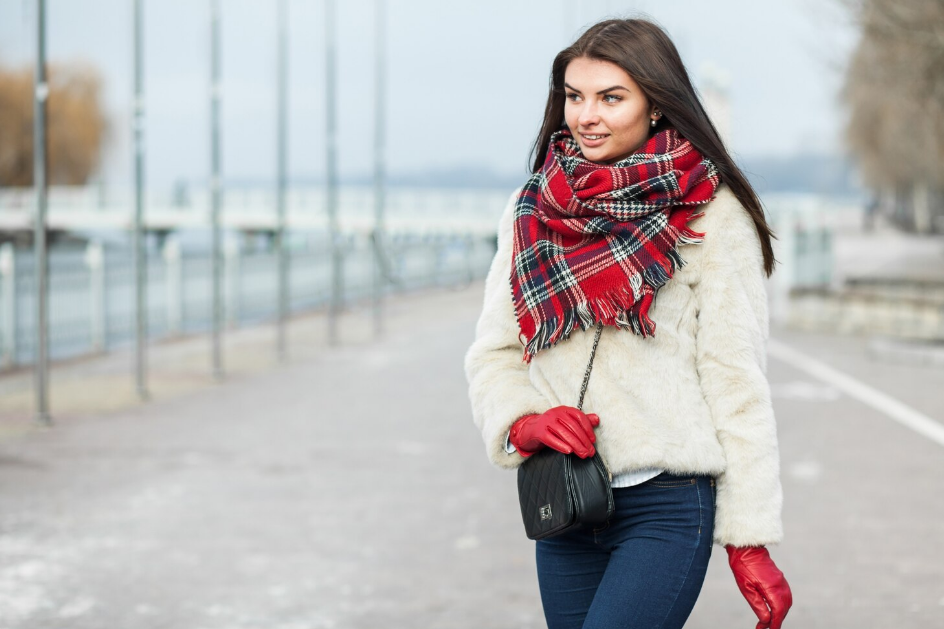
Winter dressing can be challenging when you want to stay warm without sacrificing style. The right combination of layers, textures, footwear, and accessories can make cold-weather dressing much easier. Going out in winter outfits can range from relaxed everyday combinations to polished looks for dinners, dates, parties, shopping trips, and social events. A successful winter outfit does not have to be complicated. With versatile basics such as sweaters, coats, trousers, jeans, boots, scarves, and warm accessories, it is possible to create outfits that feel comfortable while still looking put together. The key is to consider the weather, destination, occasion, and amount of time you will spend outdoors.
Understanding Winter Outfit Essentials
A good winter wardrobe starts with a few reliable pieces that can be combined in different ways. Warm sweaters, long-sleeve tops, trousers, jeans, coats, jackets, boots, and scarves provide the foundation for many outfits.
Layering is particularly useful because outdoor temperatures can be very different from indoor environments. A person may need a warm coat outside but feel comfortable in a lighter sweater once inside a restaurant, café, theater, or shopping center.
Choosing versatile pieces also makes winter dressing easier. Neutral colors such as black, gray, brown, cream, navy, and beige can be mixed with brighter colors or patterned accessories.
The goal is not simply to wear more clothing. Instead, each layer should have a practical purpose while contributing to the overall appearance.
Casual Winter Outfits for Everyday Plans
Casual winter outings often require a combination of comfort and warmth. Jeans paired with a knitted sweater and ankle boots can create a simple everyday look.
For particularly cold days, a thermal or fitted long-sleeve layer can be worn underneath the sweater. A puffer jacket or wool-style coat can then provide additional protection outdoors.
Sneakers can work in milder winter conditions, while boots may be more practical when temperatures are low or the ground is wet.
Accessories such as a beanie, scarf, and gloves can complete the outfit while providing additional warmth.
Winter Outfits for Dinner
Dinner outfits can be slightly more polished while still providing protection from cold temperatures. A fitted sweater with tailored trousers and ankle boots can create an elegant combination.
Another option is a knit dress worn with tights, boots, and a structured coat. This creates a more refined appearance without requiring multiple complicated pieces.
Accessories can also elevate a simple outfit. A small handbag, understated jewelry, and a well-fitting coat can make everyday winter clothing look more appropriate for a restaurant.
If the evening involves spending significant time outdoors, the outer layer should be warm enough rather than chosen solely for appearance.
Winter Date Night Outfits
A winter date outfit can combine warmth with a little extra style. A fitted turtleneck with tailored trousers and heeled boots can create a sophisticated look.
For a more feminine option, a sweater dress with tights and knee-high boots can work well. A long coat can provide warmth while maintaining a polished silhouette.
Color can also make a difference. A neutral outfit can be enhanced with a burgundy scarf, patterned handbag, statement earrings, or another seasonal accent.
Comfort should remain a priority. If an outfit requires constant adjustment or shoes become uncomfortable after a short period of walking, the look may not be practical for a full evening.
Winter Party Outfits
Winter parties often require a balance between indoor style and outdoor warmth. A dress can be paired with opaque tights, ankle boots, and a long coat.
For a less formal event, a statement sweater with wide-leg trousers can provide a fashionable alternative to a dress.
Velvet, satin, sequins, metallic details, and textured fabrics can add a festive touch to winter outfits. These materials can make relatively simple silhouettes feel more suitable for parties.
A practical strategy is to focus on one statement element rather than combining several dramatic pieces. A bold top, striking shoes, or eye-catching accessories may be enough to transform an otherwise simple winter outfit.
Going Out in Jeans During Winter
Jeans remain one of the easiest winter wardrobe staples because they can be styled in many different ways.
Straight-leg jeans can work with chunky sweaters and boots for a relaxed appearance. Dark denim can create a slightly more polished look when paired with a tailored coat and ankle boots.
Wide-leg jeans can also be worn during winter with fitted sweaters or tucked-in tops to create contrast between proportions.
For colder weather, layering a thermal base underneath jeans may provide additional warmth without changing the appearance of the outfit significantly.
Sweater and Trousers Combinations
A sweater and trouser combination is one of the most adaptable winter outfits. Tailored trousers can make a chunky sweater feel more balanced, while slim trousers can work well with oversized knitwear.
Neutral combinations such as cream and brown, black and gray, or navy and beige can create an understated appearance.
For more visual interest, experiment with textures. A wool-style sweater, leather-look boots, structured trousers, and a smooth coat can create contrast even when the colors remain simple.
This approach works particularly well when dressing for restaurants, casual offices, shopping, or social gatherings.
Dresses and Skirts in Cold Weather
Cold weather does not mean dresses and skirts have to disappear from the wardrobe. The right layers can make them practical.
Tights provide an additional layer of warmth, while knee-high boots can offer more coverage than low-cut footwear. Sweater dresses are another useful option because they combine the appearance of a dress with the comfort of knitwear.
A skirt can be paired with a fitted turtleneck, sweater, tights, and boots. A long coat can then complete the outfit.
The thickness of each layer should depend on the actual temperature. For very cold conditions, additional base layers may be more practical than relying solely on a stylish outer coat.
Choosing the Right Winter Coat
The coat often becomes the most visible part of a winter outfit, making its style and functionality important.
A long wool-style coat can create a classic appearance and work well with trousers, dresses, and skirts. A puffer coat can provide substantial warmth while creating a more casual look.
A belted coat can define the waist, while an oversized coat can create a relaxed silhouette. The best choice depends on personal style and local weather conditions.
When selecting a coat for regular outings, consider warmth, length, material, mobility, and how easily it works with the rest of the wardrobe.
Boots for Winter Outfits
Footwear can significantly affect both the appearance and practicality of a winter outfit. Ankle boots are versatile and can be paired with jeans, trousers, skirts, and dresses.
Knee-high boots provide additional coverage and can work particularly well with dresses and skirts. Chelsea-style boots can offer a casual alternative, while heeled boots can create a more polished appearance.
In wet or snowy conditions, footwear with appropriate traction and weather resistance may be more important than appearance alone.
Comfort also matters. Winter outings often involve walking, so shoes should provide adequate support for the planned activity.
Winter Accessories That Complete an Outfit
Accessories can add both warmth and personality. Scarves, gloves, hats, and beanies are practical winter pieces that can also change the appearance of an outfit.
A large scarf can add texture to a simple coat, while a structured handbag can make a casual outfit feel more polished.
Jewelry can also be used strategically. Small earrings or layered necklaces can add detail without overwhelming a heavy winter outfit.
For extremely cold weather, practical accessories should take priority. Warm gloves and appropriate headwear can make outdoor time considerably more comfortable.
Layering Without Looking Bulky
Layering is essential during winter, but too many thick pieces can make an outfit feel uncomfortable.
A useful approach is to begin with a relatively thin base layer, add a sweater or shirt, and finish with a coat. Thermal tops can provide warmth without adding much visible bulk.
Proportion also matters. If the outer layer is oversized, a more fitted base can create balance. Alternatively, wide-leg trousers can be combined with a shorter or fitted jacket.
Using different textures rather than simply adding more fabric can also make a layered outfit visually interesting.
Winter Outfits for Shopping and Day Trips
Shopping trips and day outings often involve considerable walking, so comfort should guide the outfit.
A warm sweater, straight-leg jeans, comfortable boots, and a medium-weight coat can create a practical combination. A crossbody bag can keep essentials accessible while leaving the hands free.
For longer outdoor activities, a warm coat, scarf, gloves, and weather-appropriate shoes become more important.
If the outing includes both indoor and outdoor locations, layers are particularly useful because they can be removed when entering heated spaces.
Winter Travel Outfits
Travel outfits need to balance comfort, warmth, and practicality. Soft trousers, a comfortable sweater, and supportive shoes can work well for long journeys.
A lightweight coat can be easier to manage during transportation than an extremely heavy outer layer. Scarves can also serve multiple purposes, providing warmth while taking up relatively little luggage space.
Travelers should consider the weather at both the departure and destination locations. Layering makes it easier to adapt when conditions change.
Choosing Winter Colors and Textures
Winter fashion often features deeper and more neutral colors, but there is no requirement to limit outfits to dark shades.
Cream, camel, burgundy, forest-inspired greens, navy, gray, chocolate brown, and black can create classic winter combinations. Brighter shades can be added through scarves, sweaters, bags, or other accessories.
Texture is equally important. Knitwear, corduroy, suede-style materials, wool-style fabrics, leather-look pieces, and quilted outerwear can add depth to an outfit.
Combining different textures can make a simple color palette look more sophisticated.
Building a Versatile Winter Wardrobe
A small collection of well-chosen pieces can support many different outfits. Useful staples can include a warm neutral sweater, a fitted turtleneck, jeans, tailored trousers, a versatile coat, ankle boots, and a warm scarf.
From there, statement pieces can be added according to personal style. A patterned sweater, colorful coat, dress, or distinctive pair of boots can provide variety.
The advantage of a versatile wardrobe is that individual pieces can be combined repeatedly rather than requiring a completely new outfit for every occasion.
Final Thoughts
Successful going out in winter outfits combine warmth, comfort, and personal style according to the occasion. A casual coffee trip may call for jeans, a sweater, and boots, while a dinner or party may suit a knit dress, tailored trousers, or a more polished coat. Layering allows outfits to adapt to changing temperatures, while accessories such as scarves, gloves, hats, and bags can add both function and personality. By focusing on versatile winter staples, comfortable footwear, appropriate outerwear, and thoughtful combinations of colors and textures, it becomes easier to create attractive outfits for almost any cold-weather outing.
Frequently Asked Questions
1. What should I wear when going out in winter?
A warm base layer, sweater, trousers or jeans, a suitable coat, and weather-appropriate footwear provide a practical foundation. Accessories can be added according to the temperature and occasion.
2. Can I wear dresses during winter?
Yes. Dresses can be paired with tights, boots, warm layers, and a suitable coat. Sweater dresses are particularly useful for cold-weather outfits.
3. What shoes are best for winter outings?
Ankle boots and knee-high boots are versatile choices. In wet, icy, or snowy conditions, prioritize footwear with suitable traction and weather protection.
4. How can I stay warm without making my outfit look bulky?
Use thin base layers, thermal clothing, fitted tops under sweaters, and an appropriate coat. Combining different proportions can also create a balanced appearance.
5. What accessories work well with winter outfits?
Scarves, gloves, beanies, hats, handbags, and winter-appropriate jewelry can complement cold-weather outfits while adding practical warmth and visual interest.
2 Comments
[…] Read more: Going Out in Winter Outfits: Stylish and Comfortable Cold-Weather Looks […]
[…] Read more: Going Out in Winter Outfits: Stylish and Comfortable Cold-Weather Looks […]