
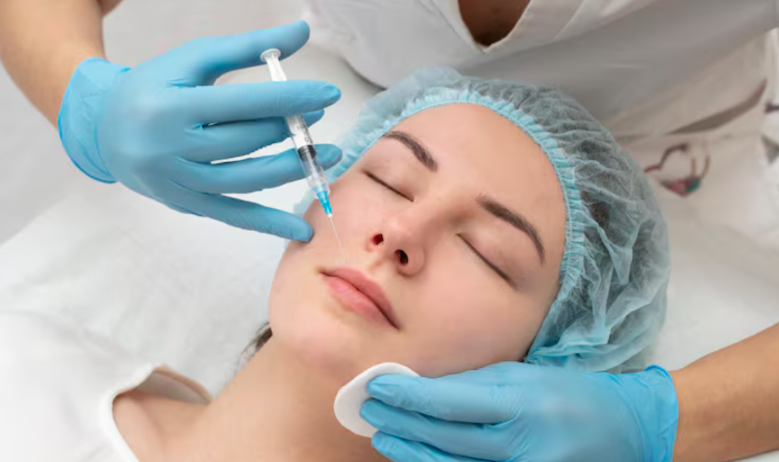
Entering the field of medical aesthetics is a rewarding transition for healthcare professionals, yet the transition requires more than just a medical background. To achieve consistent success, one must master a specific set of clinical and technical skills that are only refined through structured education.
Participating in high-quality botox courses offers practitioners the opportunity to bridge the gap between medical knowledge and aesthetic artistry.
By focusing on comprehensive training, professionals can develop the expertise needed to transform patient appearances safely and effectively, ultimately establishing a reputation for excellence in a competitive industry.
Mastering Facial Anatomy and Physiology
The most critical skill acquired through specialized training is an in-depth understanding of facial anatomy. Unlike general medical practice, aesthetic procedures require a microscopic focus on the specific muscle groups, vascular networks, and nerve pathways of the face.
Practitioners learn to identify the exact coordinates for injection, which is essential for achieving desired results while mitigating the risk of complications such as asymmetry or ptosis.
A deep anatomical knowledge allows injectors to visualize the underlying structure of the face during a consultation, ensuring that each treatment is customized to the unique physiological needs of the patient.
Developing Advanced Injection Techniques
Technical proficiency is the hallmark of an expert aesthetician. Through hands-on practice in professional botox courses, students learn how to manipulate needle depth, angle, and pressure to achieve precise product placement.
This technical mastery is vital because even minor adjustments can significantly influence the final result. Practitioners learn how to manage different types of tissues and skin thicknesses, ensuring the product diffuses appropriately to achieve a natural, smoothed appearance.
This hands-on experience is irreplaceable, as it allows students to develop the muscle memory and dexterity necessary for executing complex procedures with grace and clinical confidence.
Refinement of Patient Assessment and Consultation
An impressive aesthetic look is not just about the procedure; it is about the consultation. Skillful practitioners learn how to conduct a thorough facial assessment, identifying a patient’s primary concerns and setting realistic expectations.
This training teaches you to listen actively, ask the right questions, and create a comprehensive treatment plan that aligns with the patient’s goals. Learning how to communicate the benefits and potential risks clearly is a core competency that fosters trust.
When you master the art of the consultation, you create a supportive environment where patients feel heard and valued, which is the foundation for long-term clinical success.
Navigating Complication Management and Safety
No medical procedure is entirely without risk, and professional training provides the essential skill of complication management. Students are taught how to recognize the signs of adverse reactions early and the appropriate protocols to address them swiftly.
Whether it is managing minor bruising or addressing more complex issues, having a prepared and calm approach is a vital skill.
Reputable botox courses ensure that every practitioner leaves with a clear safety framework. Knowing how to prioritize patient health and handle emergencies with poise gives you the professional maturity to practice confidently and ethically in any clinical setting.
Achieving Natural-Looking Aesthetic Results
One of the most sought-after skills in aesthetics is the ability to create results that look subtle and refreshed rather than frozen or overdone. This requires an artistic eye and a deep understanding of facial expressions.
Practitioners learn how to enhance beauty by softening wrinkles while preserving the natural movement and character of the patient’s face. By learning to balance dosage and placement, you develop the ability to curate an aesthetic that complements the patient’s natural features.
This artistic sensibility, developed through guided training, is what sets highly successful practitioners apart in an industry that increasingly values authenticity.