
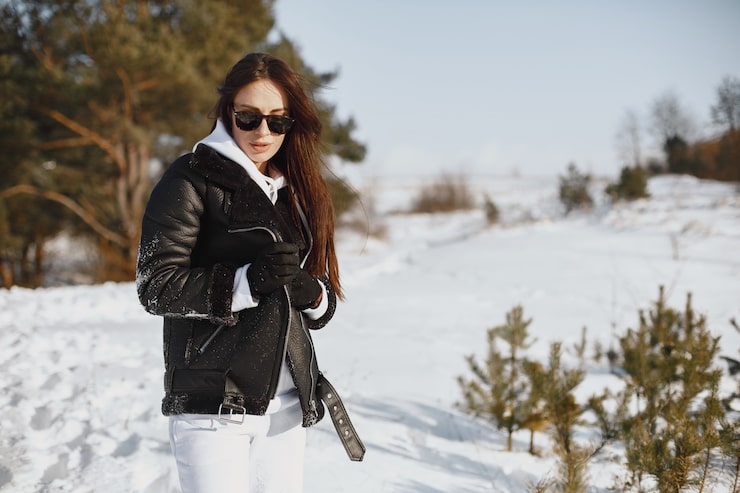
Sexy winter apparel can combine warmth, confidence, comfort, and contemporary style without making an outfit feel overly complicated. Cold-weather fashion has expanded far beyond bulky coats and oversized sweaters, with fitted knitwear, tailored outerwear, boots, textured fabrics, elegant dresses, and carefully chosen layers offering many ways to create attractive winter outfits. Current 2026 fashion coverage also highlights expressive knitwear, stronger silhouettes, rich colors, leather-inspired pieces, and thoughtful layering as important elements of seasonal dressing.
What Makes Winter Apparel Stylish and Attractive?
Winter clothing can sometimes feel difficult to style because warmth often requires multiple layers. However, layering can actually make an outfit more visually interesting by introducing different textures, proportions, colors, and silhouettes.
An attractive winter outfit does not necessarily need to be revealing. A well-fitted sweater, a structured coat, a pair of tall boots, or a beautifully textured dress can create a polished and confident appearance while still providing practical coverage.
The most successful winter outfits usually balance three elements: warmth, proportion, and personal style.
Important Elements of a Winter Look
- Well-fitted silhouettes
- Quality-looking textures
- Coordinated colors
- Layering
- Appropriate footwear
- Seasonal accessories
- Comfortable fabrics
- Proportional outerwear
The goal is to create an outfit that feels intentional rather than simply adding as many warm pieces as possible.
Popular Winter Clothing Styles
Winter wardrobes can include many different garments, from casual knitwear to sophisticated evening pieces.
Fitted Sweaters
A fitted sweater can create a defined silhouette while remaining practical for cold weather. Ribbed knit designs are particularly useful because the texture adds visual interest while the closer fit makes layering easier.
Turtlenecks, mock-neck sweaters, V-neck knits, and fitted cardigans can all become foundations for winter outfits.
Current 2026 knitwear coverage highlights structured shapes, V-necks, strong shoulders, zip-through designs, and more expressive silhouettes.
Knit Dresses
A knit dress can provide the simplicity of a one-piece outfit while maintaining warmth. Midi lengths work particularly well with boots, while shorter styles can be combined with opaque tights and a long coat.
A belt can also be added to some relaxed knit dresses to create more definition.
Tailored Coats
A well-structured coat can completely transform a winter outfit. Long wool coats, belted coats, tailored wrap styles, and structured jackets can add sophistication without requiring many additional accessories.
The coat is often the most visible part of an outdoor winter outfit, making its cut and color particularly important.
Leather and Faux-Leather Pieces
Leather and faux-leather garments can introduce a sleek, contemporary element to cold-weather outfits. A leather jacket can be paired with knitwear, dresses, skirts, trousers, or denim.
Current winter fashion guides also feature faux-leather jackets and leather-inspired pieces as versatile statement layers.
Best Fabrics for Attractive Winter Outfits
Fabric affects both comfort and appearance. Different materials create different visual effects, so combining textures can make an outfit more sophisticated.
| Fabric | Appearance | Best Use |
|---|---|---|
| Wool | Refined and classic | Coats and sweaters |
| Cashmere | Soft and luxurious | Sweaters and cardigans |
| Ribbed knit | Fitted and textured | Dresses and tops |
| Velvet | Rich and elegant | Evening outfits |
| Faux leather | Sleek and modern | Jackets and skirts |
| Suede | Soft and sophisticated | Jackets and footwear |
| Satin | Smooth and dressy | Layered evening pieces |
| Fleece | Casual and comfortable | Everyday outerwear |
A combination of contrasting textures can make even a simple outfit more visually interesting.
For example, a soft knit sweater can be paired with a structured leather-look jacket, while a smooth dress can be combined with a textured wool coat.
How to Create a Confident Winter Outfit
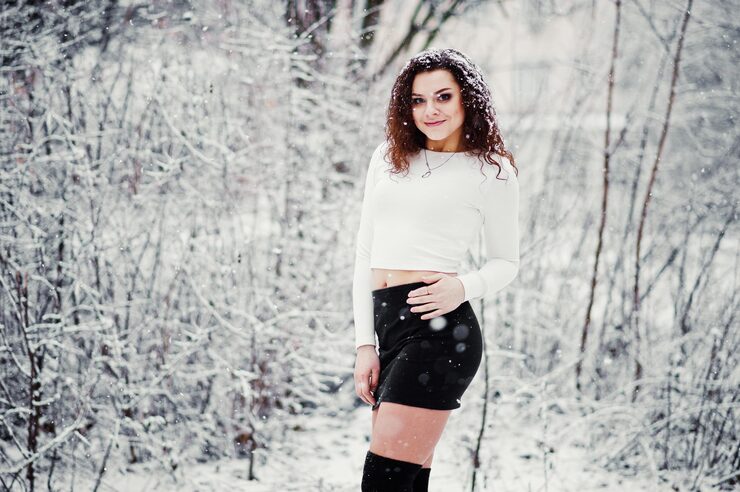
Confidence in fashion often comes from wearing clothes that fit properly and suit your personal style. Instead of relying on one statement item, consider building an outfit around several coordinated pieces.
Start With a Base Layer
A fitted long-sleeve top, lightweight turtleneck, bodysuit, or fine-knit sweater can work as the foundation.
The base layer should be comfortable and relatively thin if you plan to add multiple pieces.
Add a Statement Layer
The second layer could be a cardigan, fitted blazer, leather-look jacket, cropped jacket, or textured sweater.
This layer provides visual interest without making the outfit excessively bulky.
Finish With Outerwear
A long coat, tailored jacket, puffer, or faux-fur-inspired layer can complete the look.
The outer layer should complement the proportions underneath it.
Winter Dresses for Evening Outfits
Winter dresses can be particularly effective for dinners, parties, celebrations, and other evening occasions.
Velvet, knit, satin, lace-detail, and long-sleeve dresses can all be styled for colder weather.
Styling a Winter Dress
A simple formula is:
Dress + tights + boots + coat + accessories
For a more sophisticated appearance, choose a monochromatic color palette and allow one texture or accessory to become the focal point.
For example, a black knit dress can be paired with black boots and a long coat, while a burgundy handbag or metallic jewelry provides contrast.
Shorter Dresses
Shorter dresses can be worn during winter by adding opaque tights, boots, and a warm outer layer. This creates additional coverage while allowing the dress to remain the main focus of the outfit.
Midi Dresses
Midi dresses are especially versatile because they provide more coverage while working well with ankle boots and tall boots.
A fitted midi dress under a long tailored coat can create a streamlined winter silhouette.
Boots and Winter Footwear
Footwear has a major effect on the overall appearance of a cold-weather outfit.
Knee-High Boots
Knee-high boots work especially well with dresses and skirts. They provide additional coverage and can visually extend the line of the legs.
Ankle Boots
Ankle boots are among the most versatile winter options. They can be worn with jeans, trousers, skirts, and dresses.
Heeled Boots
A moderate heel can create a more polished appearance for evening or dressier outfits. Comfort should remain a priority, especially if the footwear will be worn for several hours.
Flat Boots
Flat boots can provide a practical option for everyday winter outfits. Sleek designs can still look refined when paired with fitted trousers, dresses, or tailored coats.
The Importance of Layering
Layering is one of the most effective ways to make winter clothing both practical and fashionable. Current fashion guidance continues to emphasize layering knitwear, combining different proportions, and mixing textures.
A good layering strategy prevents an outfit from looking bulky.
Use Thin Layers First
A lightweight base layer creates room for additional clothing without excessive volume.
Mix Textures
Combining smooth, ribbed, wool, suede, and leather-look materials can create depth.
Balance Proportions
If the top layer is oversized, a more fitted garment underneath can create contrast. Conversely, a fitted jacket can work well over a slightly relaxed sweater or dress.
Coordinate Colors
A limited color palette generally makes layered outfits look more intentional.
Winter Colors That Create a Stylish Look
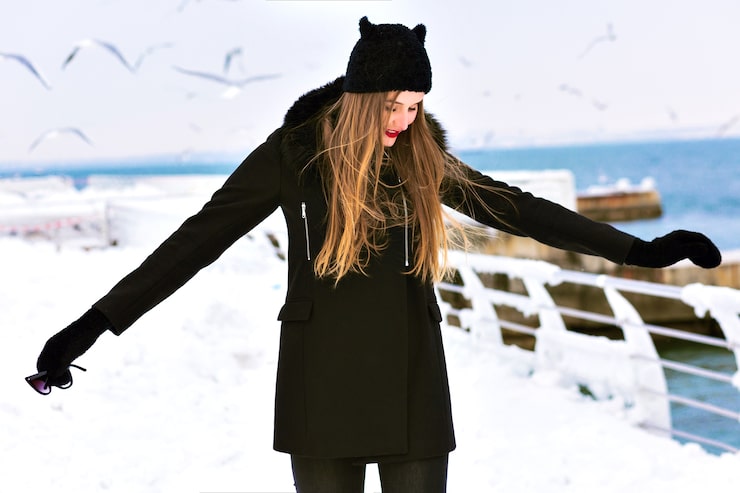
Winter clothing traditionally includes black, gray, navy, cream, camel, brown, and burgundy. These colors remain versatile, but 2026 fashion is also showing greater interest in brighter and more expressive shades.
H&M’s 2026 winter guide highlights deep browns, warm blacks, cream, charcoal, cherry mocha, and animal-print accents, while other fashion coverage points to brighter colors appearing in knitwear.
| Color | Style Character | Easy Pairings |
|---|---|---|
| Black | Sleek and timeless | Gray, cream, burgundy |
| Chocolate brown | Warm and modern | Cream, tan, black |
| Burgundy | Rich and elegant | Black, beige, brown |
| Cream | Soft and refined | Camel, brown, gray |
| Charcoal | Sophisticated | Black, cream, burgundy |
| Navy | Classic | Gray, white, camel |
| Red | Bold | Black, cream, denim |
| Deep green | Rich and seasonal | Brown, black, cream |
A neutral foundation with one stronger accent can be an easy way to introduce personality.
Winter Outfits for Different Occasions
Different occasions call for different combinations.
Casual Winter Outfit
Try a fitted knit sweater, straight-leg jeans, ankle boots, and a long coat. Add a scarf for extra warmth.
Date Night Outfit
A fitted knit dress, tall boots, tailored coat, and understated jewelry can create a polished evening look while remaining appropriate for colder weather.
Dinner Outfit
Consider a velvet or textured midi dress with tights, heeled boots, and a structured coat.
Weekend Outfit
A cropped or fitted sweater, wide-leg trousers, boots, and a short jacket can create a relaxed but contemporary appearance.
Office Outfit
A fine-knit turtleneck, tailored trousers, fitted blazer, and long coat can provide a professional winter look.
Accessories That Complete a Winter Look
Accessories can change an outfit without requiring an entirely new wardrobe.
Useful winter accessories include:
- Scarves
- Gloves
- Structured handbags
- Belts
- Statement earrings
- Sunglasses
- Knit hats
- Hair accessories
- Layered necklaces
A belt can be especially useful when wearing oversized coats or relaxed knit dresses because it can add definition to the silhouette.
How to Build a Winter Capsule Wardrobe
A capsule wardrobe does not need to contain a large number of pieces. The focus is on selecting garments that work together in multiple combinations.
A practical collection might include:
- One fitted neutral sweater
- One statement knit
- One versatile dress
- One tailored coat
- One casual jacket
- One pair of ankle boots
- One pair of tall boots
- One versatile trouser
- One pair of jeans
- Several lightweight base layers
- A small collection of winter accessories
Current winter fashion guidance emphasizes versatile transitional jackets, quality knitwear, wide-leg trousers, and statement outerwear as useful foundations for seasonal wardrobes.
Common Winter Styling Mistakes
Even attractive individual pieces can look less effective when combined incorrectly.
Too Many Bulky Layers
Several thick garments can make movement difficult and obscure the shape of the outfit. Lightweight layers underneath thicker outerwear often work better.
Ignoring Proportions
An oversized sweater with an oversized coat and wide trousers can sometimes overwhelm the overall silhouette. Balance is important.
Choosing Style Over Comfort
Clothing that looks attractive but is uncomfortable may not become a useful wardrobe staple. Fit and movement should always be considered.
Using Too Many Statement Pieces
A bold coat, patterned dress, dramatic boots, and large accessories can compete with one another. Choosing one or two focal points usually creates a cleaner result.
Sustainable Winter Fashion Choices

Winter clothing can be a significant wardrobe investment because coats, knitwear, boots, and other seasonal pieces are often worn repeatedly.
Choosing durable garments and versatile colors can help extend their usefulness.
Consider:
- Buying pieces that work across several seasons
- Choosing durable fabrics
- Repairing garments when practical
- Caring for knitwear correctly
- Avoiding unnecessary impulse purchases
- Selecting versatile outerwear
- Reusing accessories across multiple outfits
Quality knitwear is particularly useful because it can be layered in different ways throughout the season. Vogue’s 2026 knitwear coverage also emphasizes knitwear’s versatility and long-term wardrobe value.
Key Points to Remember
- Winter fashion can be attractive while remaining practical and comfortable.
- Fitted knitwear can create definition without sacrificing warmth.
- Tailored coats provide structure to layered outfits.
- Boots are versatile partners for dresses, skirts, jeans, and trousers.
- Velvet, wool, knitwear, suede, and leather-look fabrics add texture.
- Layering works best when thin base layers are combined with structured outer pieces.
- Rich neutrals such as chocolate brown, charcoal, cream, and burgundy remain useful winter colors.
- Brighter colors can add personality to a cold-weather wardrobe.
- One or two statement pieces are often enough to create a distinctive outfit.
- Building a versatile wardrobe can make winter dressing easier and more economical.
Frequently Asked Questions
1. What should I wear for a stylish winter outfit?
Start with a comfortable base layer, add a fitted or textured sweater, and finish with a tailored coat or jacket. Boots and a few coordinated accessories can complete the look.
2. Can winter clothing be stylish and warm at the same time?
Yes. Warm fabrics such as wool, cashmere, and quality knitwear can provide insulation while structured silhouettes, coordinated colors, and thoughtful layering maintain a polished appearance.
3. What winter pieces create a flattering silhouette?
Fitted knitwear, belted coats, tailored jackets, straight-leg trousers, and structured dresses can all create definition. The best choice depends on personal preference and comfort.
4. What colors are popular for winter fashion in 2026?
Deep brown, chocolate, charcoal, cream, burgundy, and warm black are prominent in current winter fashion guidance, while brighter colors are also appearing in contemporary knitwear trends.
5. How can I make a winter outfit look more fashionable?
Focus on proportions, textures, and layering. Combining a fitted base with a structured outer layer, adding boots, and using one statement accessory can make a simple outfit look more intentional.
One Comment
[…] Read more: Sexy Winter Apparel: Stylish Cold-Weather Outfits and Layering Ideas […]